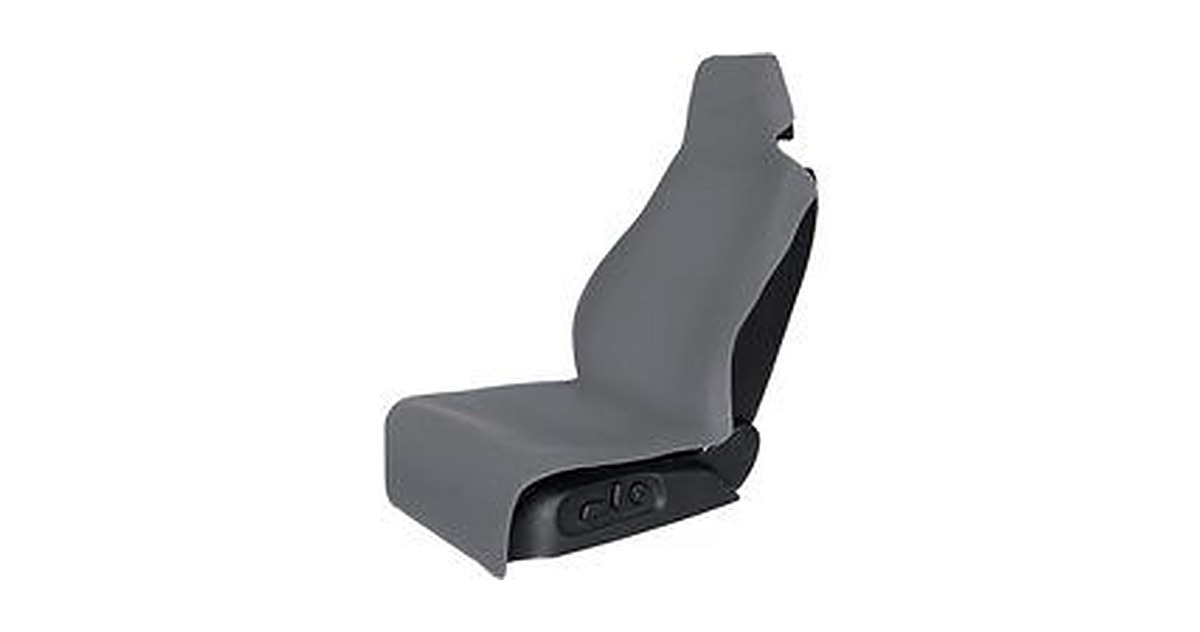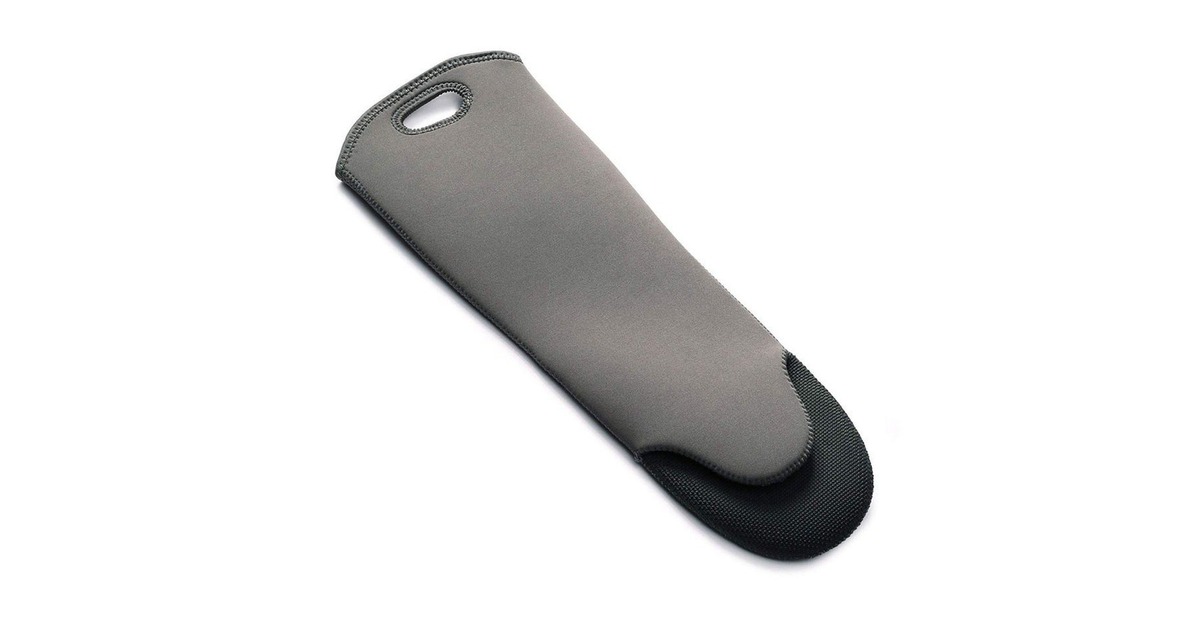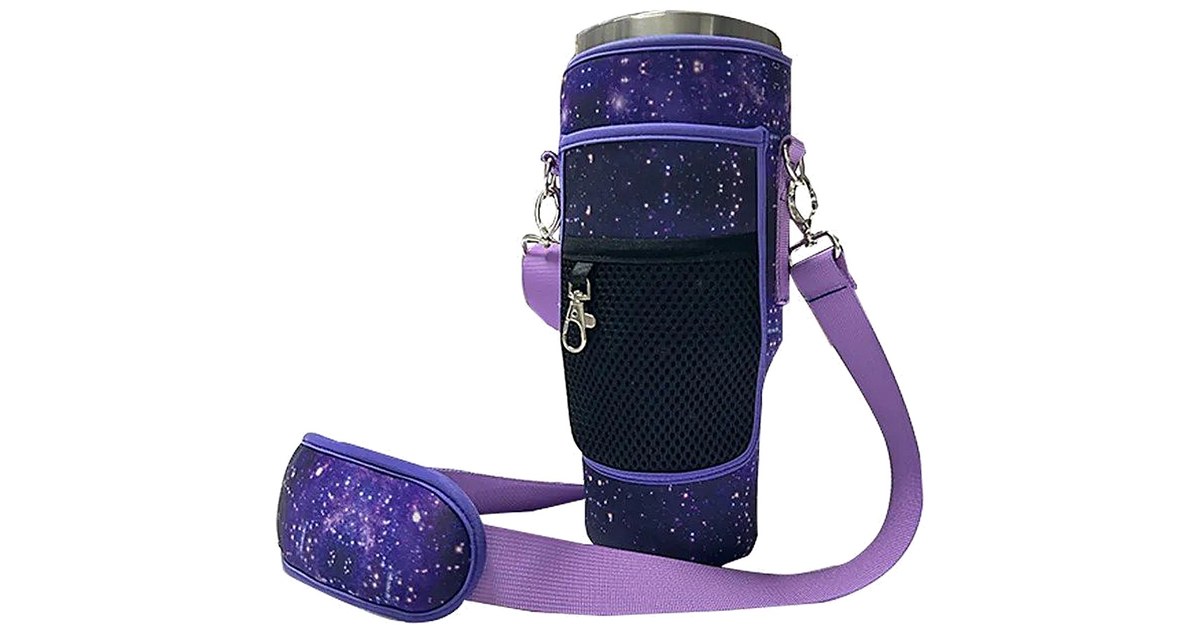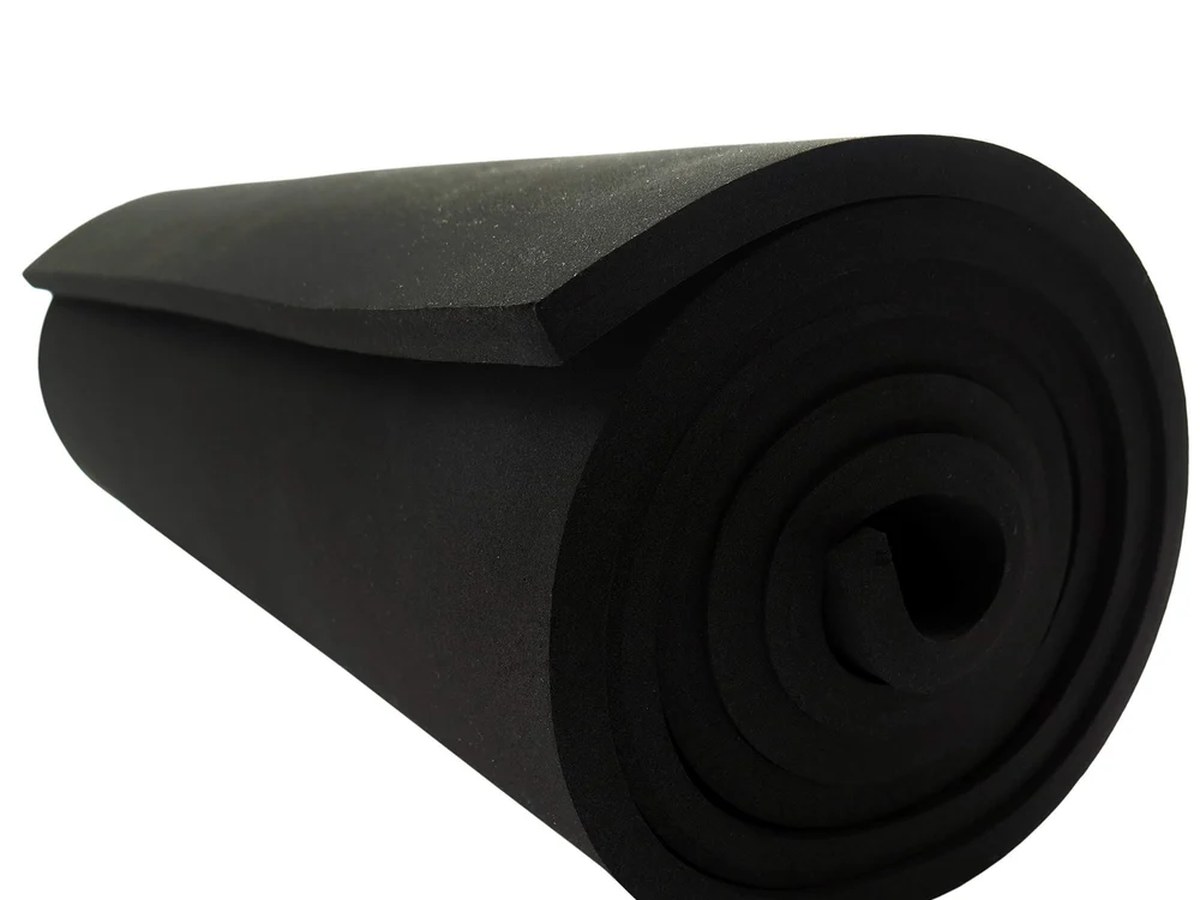
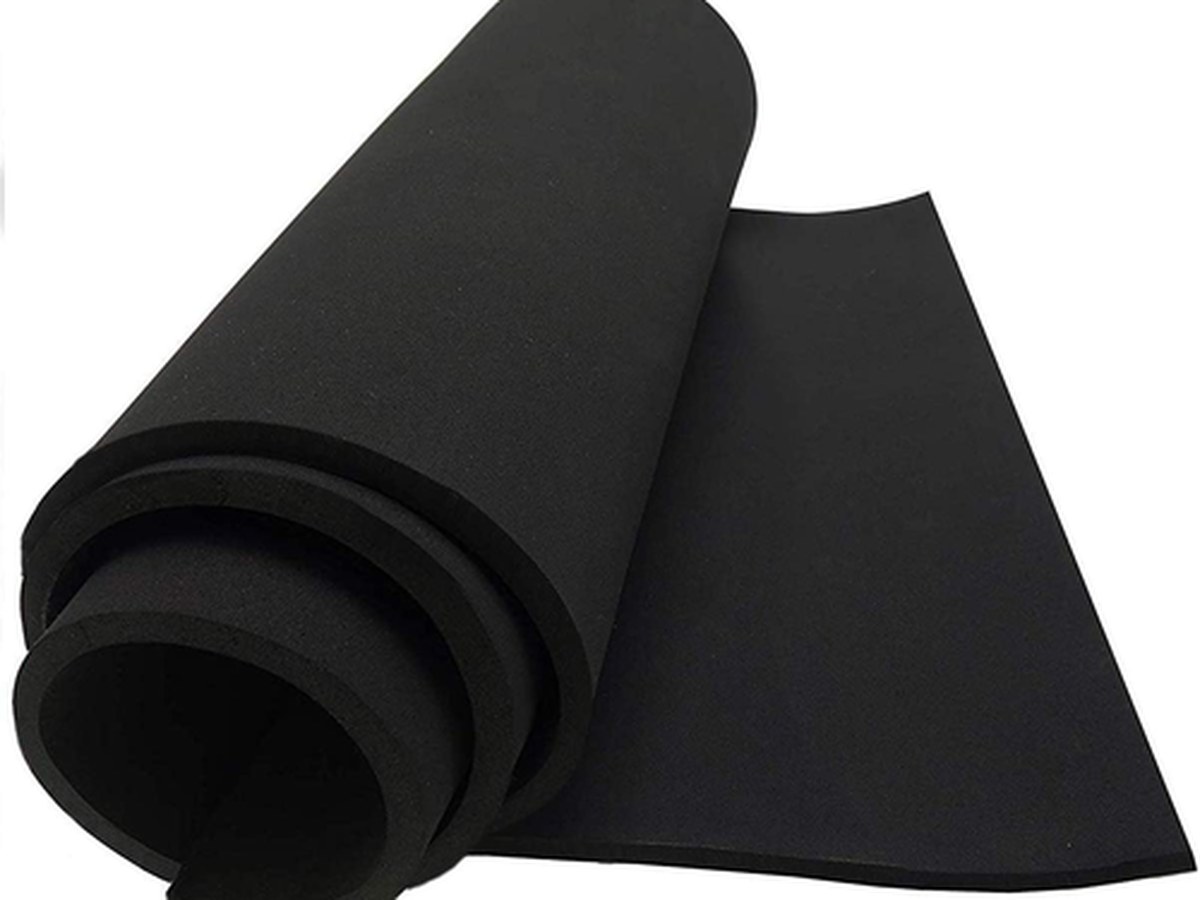
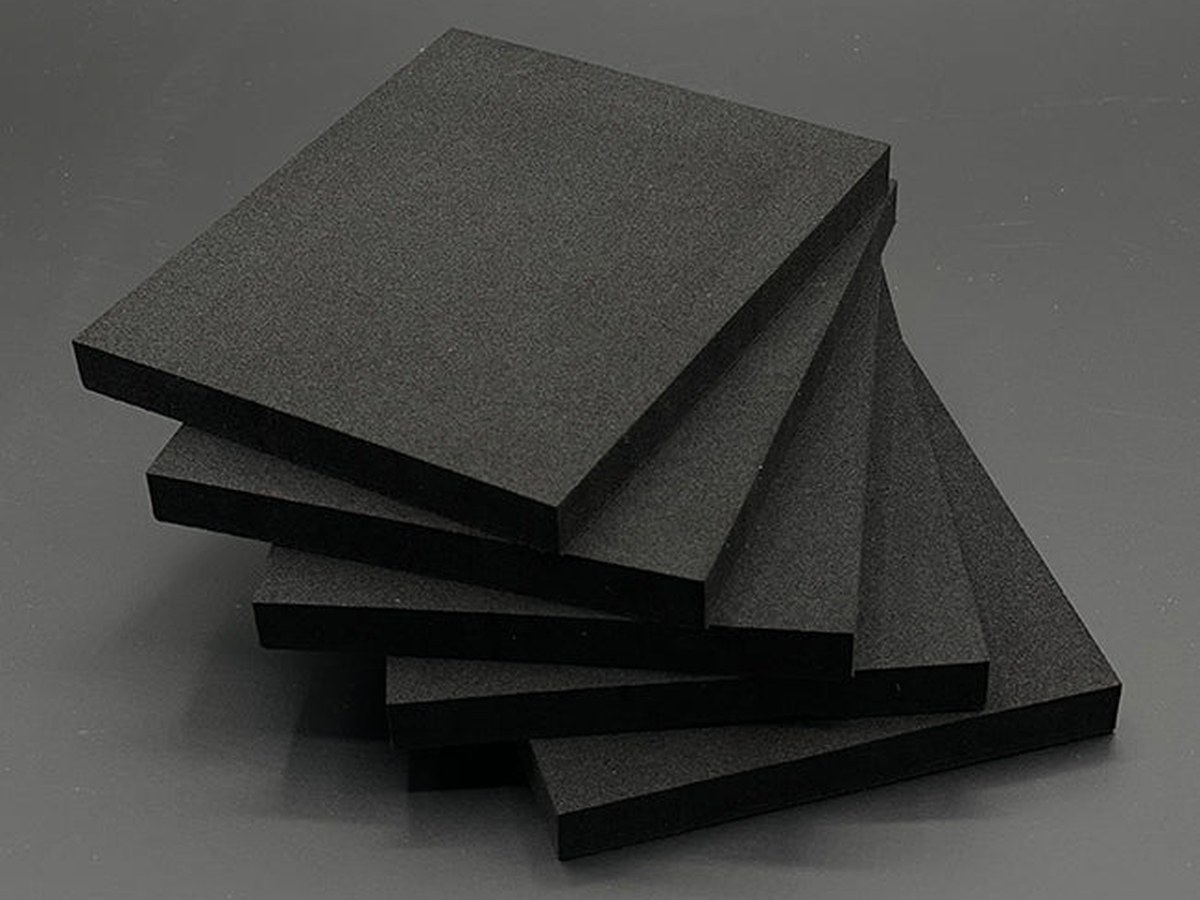
A neoprene CR foam sheet is a sheet of chloroprene rubber foam, usually laminated with fabric, cut from 1.5 mm to 45 mm thick, that is the starting material for wetsuits and water sports products. Wetsuit manufacturers and water sports brands order it to cut and sew into finished products. It is not a finished product, so it does not work on its own. Send us your design drawing, the product you are making and the thickness, and we will confirm the best material and thickness for your product.
We manufacture custom neoprene CR foam sheets in our own factory in China, where we foam, split and laminate the sheets under one roof, so a change to the thickness or the fabric face can be checked on a sample sheet before bulk production starts.
A CR sheet is judged by its thickness and its stretch, so the splitting matters more than anything else. We split the foam to the thickness on your order, and we check the thickness across the sheet, because a sheet that is thick at one edge and thin at the other cuts into panels that sew up unevenly. The foam is soft and stretches a long way, which is what makes it comfortable against the skin in a wetsuit, and the density stays even across the sheet so every panel from the same sheet behaves the same way.
The sheet is commonly laminated with a fabric face on one side or both sides to your order: a nylon jersey face slides on over skin and dries between uses, while a printed or textured face carries the look of the finished product. We laminate the fabric to the foam under heat and pressure, so the face does not peel away when the finished product is stretched and washed, and we check the bond by pulling a laminated sample before the sheet leaves the factory. Sheets are cut from our standard 51″×130″ sheet size to the cut size on your order.
CR foam sheets are cut from 1.5 mm to 45 mm, and the right thickness depends on the product you are making: thin sheets for linings and light products, 3–7 mm for wetsuits and water sports, and thick sheets for heavy padding and insulation. For the full range, see our neoprene sheet thickness guide.
| 1.5–3 mm | Linings, light wetsuits, warm-water suits and thin products | Least insulation and cushioning; too thin for cold water |
|---|---|---|
| 5–7 mm | Most wetsuits, water sports and protective products; the standard range | Best balance of warmth, flexibility and durability |
| 10–15 mm | Cold-water wetsuits, heavy padding and thick insulation | Warmest and most protective, but heavier and stiffer to cut and sew |
Measure the finished product, not the sheet. Tell us the product you are making, the thickness you need and the cut size, and we cut the sheets from our standard 51″×130″ sheet size to your order. See our custom 1.5 mm CR foam sheets — cut to your thickness and size, 1.5–45 mm for the thinnest CR sheet we split. For the finished wetsuit cut from these sheets, our neoprene diving wetsuits page shows what the sheet becomes.
CR is the usual choice for wetsuits and water sports, and SBR is the usual choice where cost matters more than salt-water life. CR (chloroprene rubber) resists UV, ozone and seawater better, so a product that will be used in sun and salt water, dive after dive, holds up longer in CR. SBR (styrene-butadiene rubber) is the lower-cost foam and is fine for warm-water products and everyday lines that are replaced often.
The numbers from our own technical data sheet show why the two foams feel different: our CR foam measures 3–5° Shore C hardness, 276.32 kg/m³ density, 860 kPa tensile strength and 550% elongation, while our SBR (10–15°) measures 10–15° hardness, 158.34 kg/m³ density, 256 kPa tensile strength and 185% elongation. CR is softer and stretches further, so it stretches round a body without a fight; SBR is firmer and holds a flat sheet shape when it is cut and stored. SCR sits between the two on cost and stretch, and we use it where a customer wants more give than SBR without paying for CR.
| SBR | CR | |
|---|---|---|
| Cost | Lower cost; the usual choice for everyday lines | Costs more than SBR |
| UV and ozone resistance | Fair; best for indoor storage and shorter outdoor use | Better; holds up longer in sun, ozone and salt air |
| Water use | Fine for occasional water contact and warm-water use | Better for repeated diving and seawater use |
| Best for | Warm-water products and everyday lines | Wetsuits, water sports and premium products |
If the wetsuit thickness is the question rather than the sheet, the choice is made by water temperature: our custom 3 mm CR foam sheets are the most common wetsuit thickness for warm water, and our thickness guide above covers the full range from 1.5 mm to 45 mm.
Wetsuit manufacturers — CR sheets in the thickness your suits need, laminated to your fabric face, cut to your size, for suits your customers trust below the surface.
Water sports brands — sheets for surf, paddle and dive products, in your colours and your thickness, for products used in sun and salt water.
Protective gear makers — sheets for braces, supports and padding, cut to your thickness, where soft foam that stretches matters more than a hard shell.
Distributors and converters — sheets in bulk for cutting and sewing in your own factory, in the thickness range your customers order most.
When neoprene is NOT the right choice
Tell us which of these your sheet needs, and we will build the sample to your drawing.
What sheet size do the CR sheets come in?
Our standard sheet size is 51″×130″, and we cut the sheets to the cut size on your order. Tell us the product you are making and the cut size, and we will confirm how many pieces fit on one sheet.
Can the CR sheets be laminated with fabric?
Yes. The sheet is commonly laminated with a fabric face on one side or both sides to your order — a nylon jersey face for wetsuits, or a printed or textured face for the look of the finished product. The face does not peel away when the finished product is stretched and washed.
What is the minimum order?
20 sheets per order as a general minimum, adjustable to your actual order.
Can I get a sample first?
Yes — we support sampling, usually in 5–7 days. Send us your design drawing and product and thickness and we will confirm the sample cost and time.
How long does bulk production take?
Usually 15–18 days after sample approval, depending on the quantity and customisation.
How do I order?
Send us your design drawing, the product you are making, the sheet thickness and size and the quantity. We confirm the material, thickness and price, then make a sample for your approval before bulk production.
We make custom CR foam sheets to your drawing, your size and your print, and we check the fit on a sample before bulk production. The general minimum order is 20 sheets per order, adjustable to your actual order; sampling is supported, usually in 5–7 days; and bulk production usually takes 15–18 days after sample approval. Request a quote for custom CR foam sheets and we will confirm the best material and thickness for your order.
Request a Quotation
To help us review your inquiry, please send:
Website: https://www.neoprenecustom.com/ Email: kevin@neoprenecustom.com
A sheet is judged by the product cut from it. Send us the thickness and cut size and we will make you a sample sheet to cut and test.
Contact: Kevin
Phone: 13417385320
Tel: 0734-87965514
Email: kevin@neoprenecustom.com
Add: Intersection of Zhangjialing Road and Science and Technology Road, Guiyang Industrial Park, Guiyang Town, Qidong County, Hengyang City, Hunan Province./Dongguan Factory(GUANXIN): Shixin Street, Fushan Village, Liaobu Town, Dongguan, Guangdong Province.