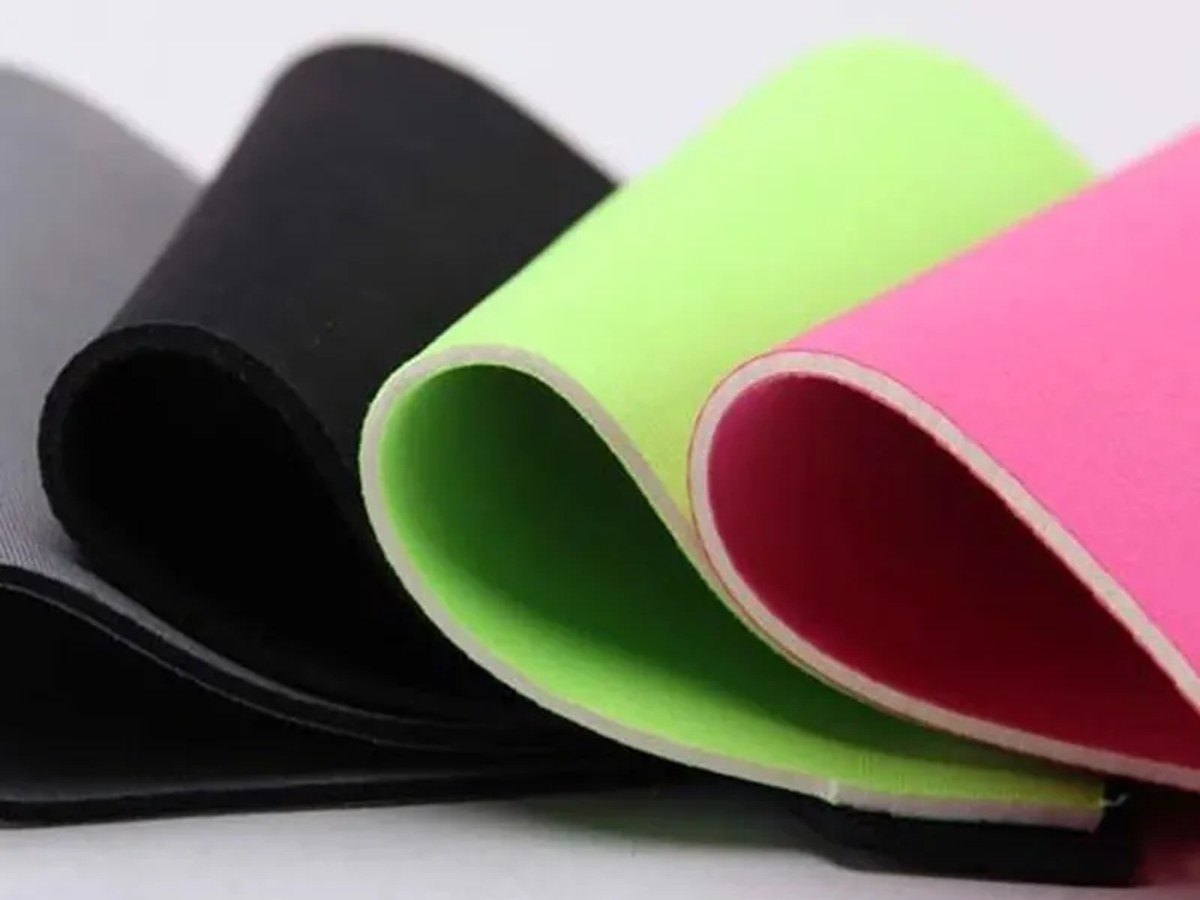
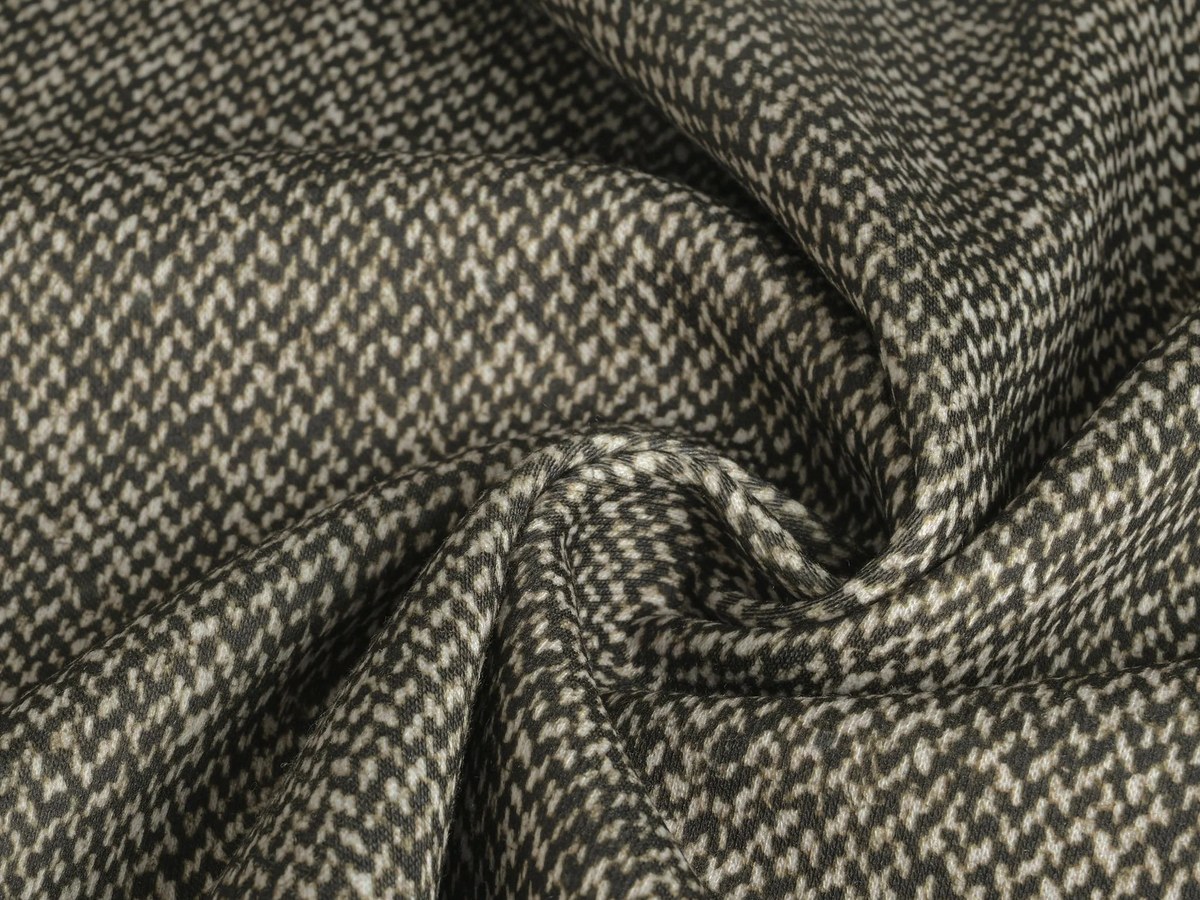
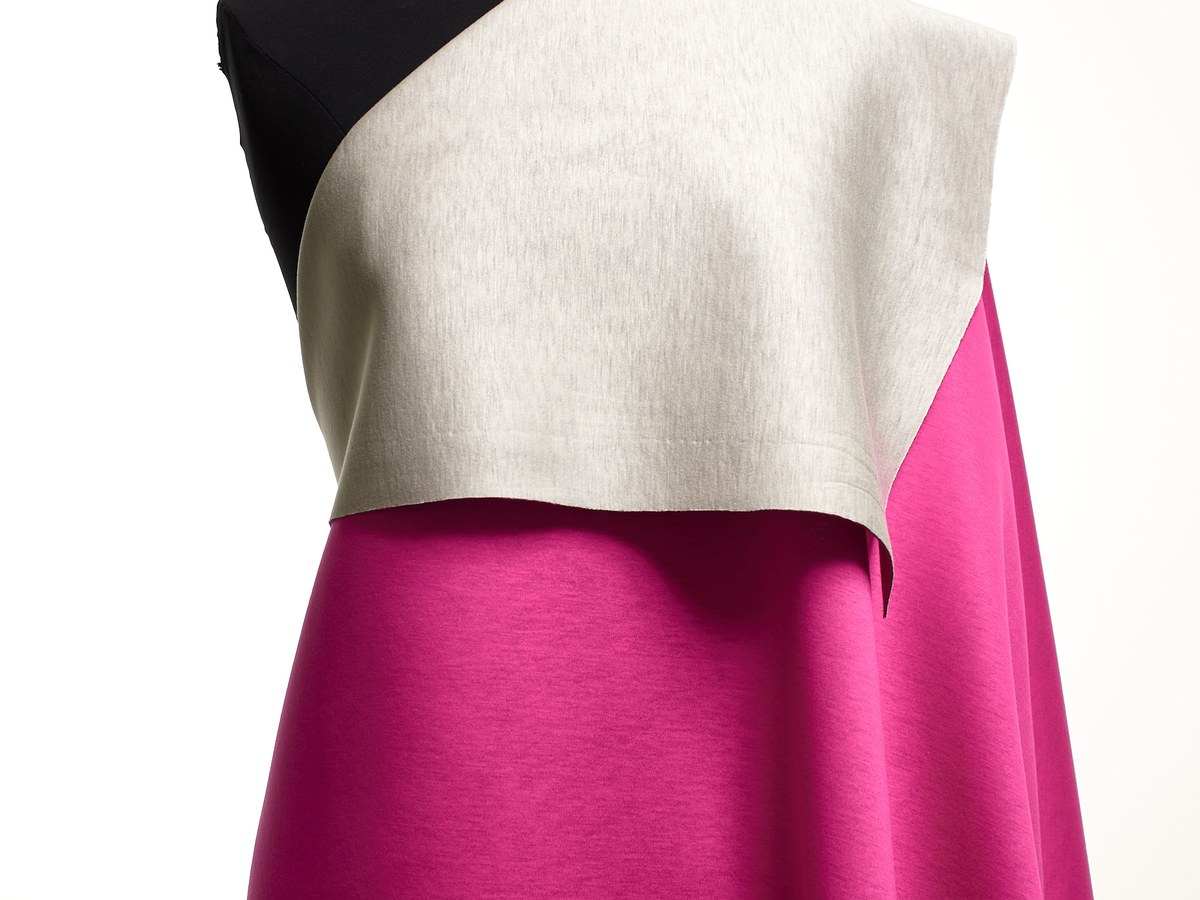
Neoprene jersey fabric is laminated neoprene (SBR, SCR or CR foam + a jersey face), usually 3 mm thick, that feels soft on the skin and stretches with the body, for wetsuits, tops and stretch clothing worn close to the skin. Wetsuit makers, swim brands and clothing makers order it for the outer face of suits and tops where comfort matters as much as warmth. Wetsuit and clothing makers buy it as sheets and cut it to their pattern; it is not a finished suit. Send us your design drawing, the products the fabric is cut for and the thickness, and we will confirm the best foam grade and thickness for wetsuits, tops and stretch clothing.
We make jersey fabric in our own factory in China, where we have made neoprene products for 15 years. We foam the rubber, split the sheet to thickness and laminate the jersey face under one roof, so a change to the thickness or the face can be checked on a sample before bulk production starts.
A jersey face has to feel soft, so the lamination matters more than the colour. We laminate the jersey face to the foam under heat and pressure, so the face does not peel at the cut edge, and the foam is split to the thickness you ask for, so every sheet in the order cuts the same. The jersey face feels smooth on the skin, so a wetsuit slides on without catching.
The fabric is commonly supplied as flat sheets, because a flat sheet cuts cleanly on a maker's table and wastes less than a roll that curls at the edges. The foam grade can be SBR for everyday lines, SCR for more stretch or CR for seawater use, and the whole sheet wipes clean after cutting. We check the finished fabric by cutting a wetsuit panel from it and stitching it, because a face that frays at the seam is a face that ends up in the offcut bin.
3 mm is the standard for most jersey fabric. It gives a good balance of a soft hand, stretch and a face that still sews cleanly. For the full range, see our neoprene sheet thickness guide.
| 2 mm | Light wetsuits, tops and stretch clothing where a soft hand matters most | Least padding; not enough for a cold-water wetsuit |
|---|---|---|
| 3 mm | Most jersey fabric; wetsuits, tops and stretch clothing | Best balance of a soft hand, stretch and an easy sew |
| 5 mm | Cold-water wetsuits and stretch clothing that must also insulate | Most padding, but heavier and slower to dry |
Measure the product, not the fabric name. Measure the largest panel the fabric must cover and the stretch the finished product needs, and tell us whether the product is sewn or glued: fabric ordered by name alone often fits the panel and leaves no room for the seam, or covers the seam and pulls short at the edge. See our custom jersey fabric — made to your thickness and size for the styles this thickness choice applies to. For a neoprene spandex fabric face rather than a jersey fabric face, see our neoprene spandex fabric.
SBR is the standard foam under a jersey face, and CR is the choice where the finished product will live in seawater. SBR (styrene-butadiene rubber) is the lower-cost foam and is fine for a wetsuit, top or stretch garment used in a pool or on land. CR (chloroprene rubber) resists UV, ozone and seawater better, so choose CR for a wetsuit or top sold for the sea, the beach and daily salt-water use.
Our technical data sheet shows why the two foams feel different: our CR foam measures 3–5° Shore C hardness, 276.32 kg/m³ density, 860 kPa tensile strength and 550% elongation, while our SBR (10–15°) measures 10–15° hardness, 158.34 kg/m³ density, 256 kPa tensile strength and 185% elongation. CR is softer and stretches further, so it moves with the body without a fight; SBR is firmer and holds a top's shape when it is hung up to dry.
| SBR | CR | |
|---|---|---|
| Cost | Lower cost; the usual choice for everyday lines | Costs more than SBR |
| UV and ozone resistance | Fair; best for indoor storage and short outdoor use | Better; holds up longer in sun, ozone and salt air |
| Water use | Fine for occasional splashes and wiping clean | Better for repeated wet use and seaside use |
| Best for | Everyday wetsuits, tops and stretch clothing | Sea, beach and premium wetsuits and tops |
If the face needs more stretch than jersey gives, the product changes: our neoprene lycra fabric stretch further for swimwear and surf suits, and a jersey face and a lycra face are ordered from different sheets.
Wetsuit makers — jersey-faced sheets in your colours, cut to your panel sizes, for wetsuits that feel soft on the skin.
Swim brands — fabric printed with your logo for the tops you sell, made to fit your range exactly.
Clothing makers — a soft face for stretch tops and clothing, made to your thickness, for garments worn close to the skin.
Print shops — jersey-faced sheets that take sublimation print well, so your artwork stays bright after months of use.
When neoprene is NOT the right choice
Tell us which of these your jersey fabric needs.
Will the jersey face peel at the cut edge?
No, not if the lamination is right. We laminate the jersey face to the foam under heat and pressure, so the face does not peel at the cut edge — tell us the product and we check the lamination on the sample.
Is the jersey face soft on the skin?
Yes. The jersey face feels smooth on the skin, so a wetsuit slides on without catching — tell us the product and we check the hand feel on the sample.
What is the minimum order?
20 sheets per order as a general minimum, adjustable to your actual order.
Can I get a sample first?
Yes — sampling usually takes 5–7 days. Send us your design drawing and the thickness you need and we will confirm the sample cost and time.
How long does bulk production take?
Usually 15–18 days after sample approval, depending on the quantity and customisation.
How do I order?
Send us your design drawing, the thickness and the quantity. We confirm the material, thickness and price, then make a sample for your approval before bulk production.
We supply jersey fabric to your thickness, your print and your size, and we check the the hand feel on a sample on a sample before bulk production. The general minimum order is 20 sheets per order as a general minimum, adjustable to your actual order; sampling usually takes 5–7 days; bulk production usually takes 15–18 days after sample approval. Request a quote for custom jersey fabric and we will confirm the best foam grade and thickness for your order.
Request a Quotation
To help us review your inquiry, please send:
Website: https://www.neoprenecustom.com/ Email: kevin@neoprenecustom.com
A jersey face is judged on the skin, not on a roll. Send us the product size and we will make you a sample sheet to cut.
Contact: Kevin
Phone: 13417385320
Tel: 0734-87965514
Email: kevin@neoprenecustom.com
Add: Intersection of Zhangjialing Road and Science and Technology Road, Guiyang Industrial Park, Guiyang Town, Qidong County, Hengyang City, Hunan Province./Dongguan Factory(GUANXIN): Shixin Street, Fushan Village, Liaobu Town, Dongguan, Guangdong Province.