A neoprene weightlifting belt is a wide, firm belt of laminated neoprene (SBR / SCR / CR foam + fabric), usually 5 mm thick, worn around the waist to brace the core in heavy squats, deadlifts and presses. It is not a sweat belt: it is made for heavy lifting, not for sweating. Send us your design drawing, the lifts and the belt width, and we will confirm the best material and thickness.
We manufacture custom weightlifting belts in our own factory in China, where we have made neoprene products for 15 years. Every belt starts as a sheet of laminated neoprene foam, cut to the shape on your drawing, then stitched, bound and fitted with the closure you choose. Because the foam, the fabric face and the finished belt are all made under one roof, we can change the width, the thickness or the logo position on a sample and see the result the same week.
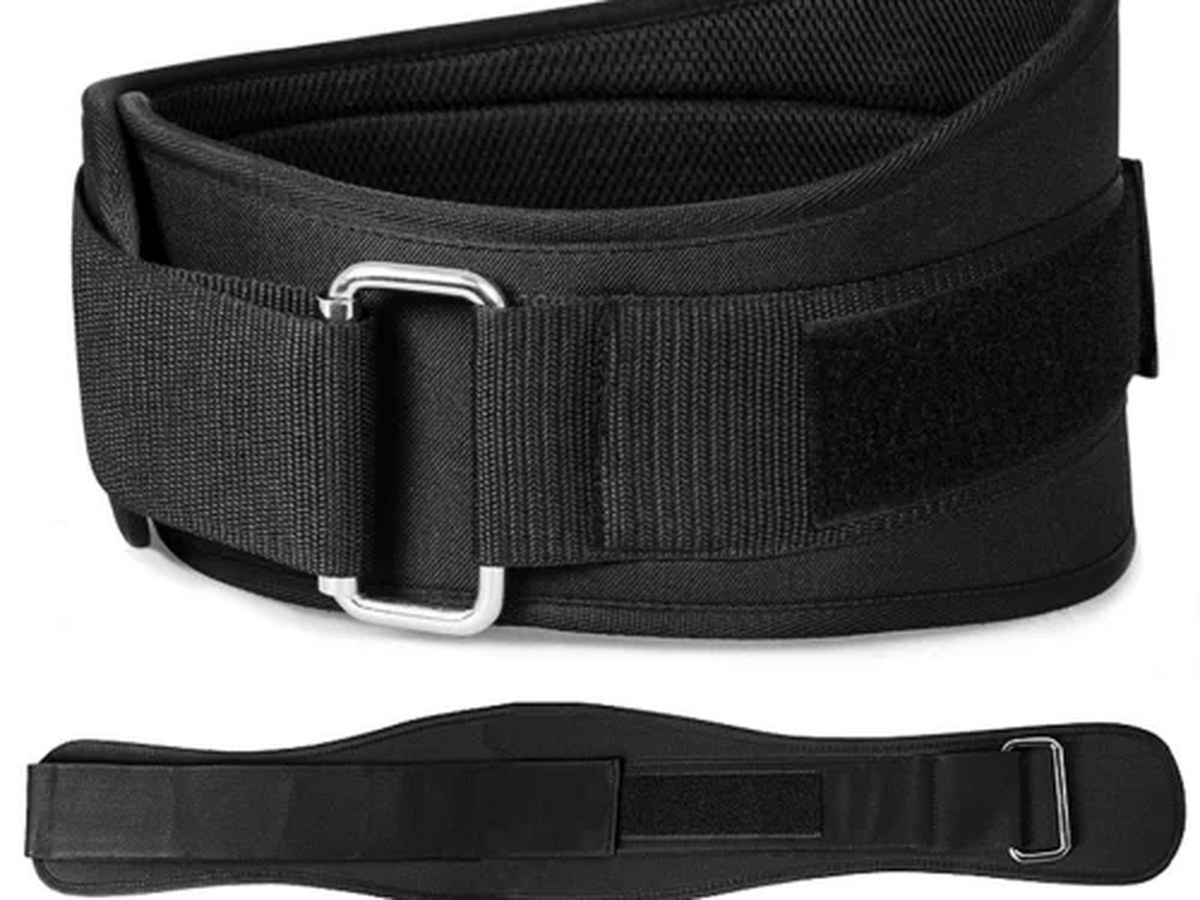
A lifting belt fails at the fastening first, so that is where we put the work. The hook-and-loop panel is stitched through both layers of the belt body, with a second row of stitching around the edge, because a closure stitched to the fabric face alone peels away after a few months of being pulled tight and ripped open between sets. A buckle version gets the same treatment: the buckle strap is fixed with a reinforced box stitch, and the holes are punched, not cut, so they do not tear outwards under load.
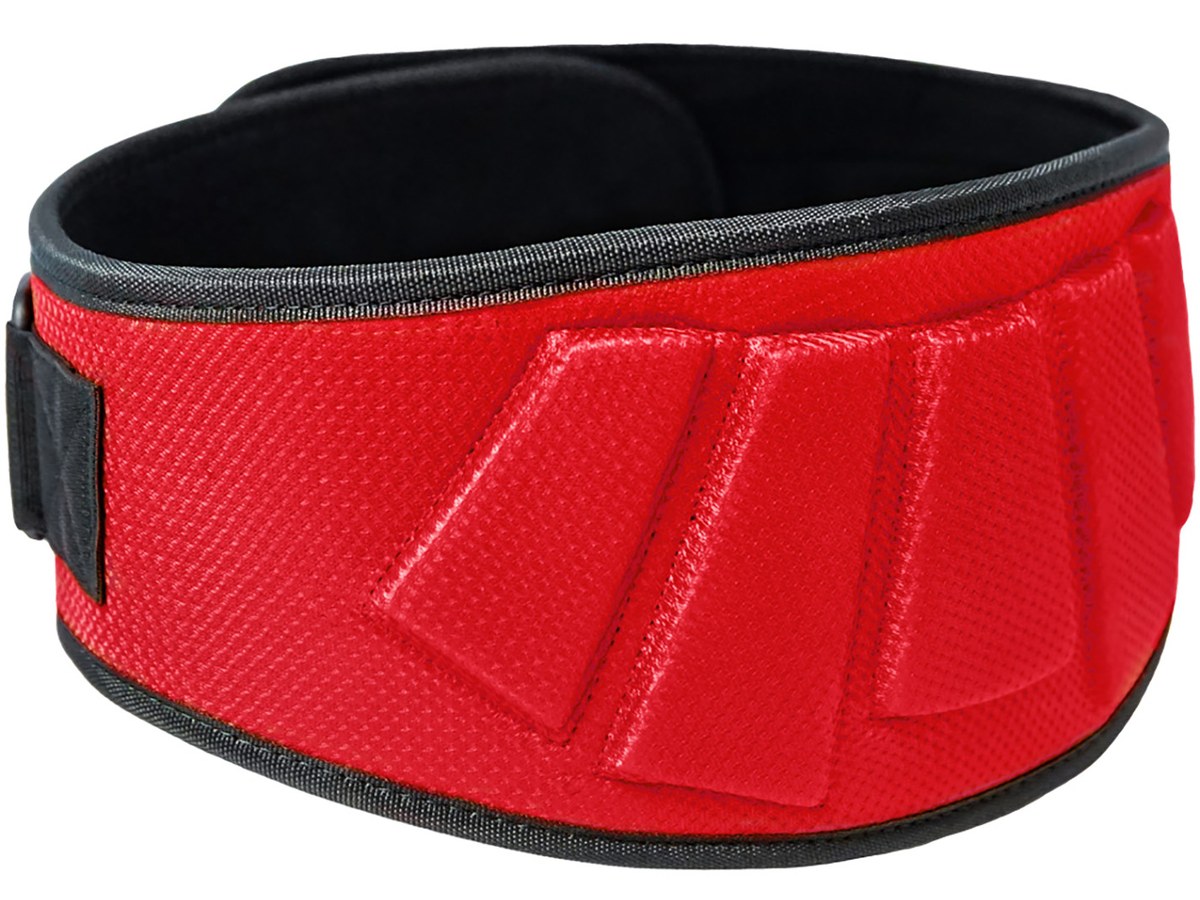
The belt is cut wide at the back and narrower at the front, so the lifter can sit down between sets and bend to the bar without the front edge digging into the ribs. The edges are bound all round with a soft binding that keeps the foam from fraying and stops the belt edge from rubbing the skin raw during a long session. The outside face takes a large printed logo well, so most buyers put their brand name big across the back, where it shows in training photos.
5 mm is the standard for a weightlifting belt. It is firm enough to brace against under a heavy bar, yet still comfortable enough to wear through a full session. A thinner belt feels easier to move in but gives the core less to push against; a thicker belt braces harder but can feel stiff when the lifter bends to set up. For the full range of choices, see our neoprene sheet thickness guide.
| Thickness | Best for | Trade-off |
| 3 mm | Light training, beginners learning to brace, general gym work | Least firm; not enough support under a heavy bar |
| 5 mm | Heavy squats, deadlifts and presses — the standard lifting belt | Best balance of firm support, comfort and flexibility |
| 7 mm | Competition lifting and experienced lifters who want the firmest belt | Stiff when bending to the bar; too firm for light training |
Measure the waist where the belt will sit, not the trouser size. Wrap a tape around the waist over a training top, at the height the belt will be worn, and breathe out before you read the number — a belt sized to a sucked-in waist is too tight to brace in. Send that waist measurement with the belt width you want, and we will grade the sizes from it. See our custom neoprene weightlifting belts — wide back, hook-and-loop or buckle, 3–8 mm for the belt this page is about.
SBR is the usual choice for a weightlifting belt. It is the lower-cost foam, it holds its shape well under load, and it takes a printed logo cleanly on its fabric face. Most gym belts we make are SBR, because a belt lives indoors, away from sun and salt water, and SBR is strong enough for that job. CR is the tougher foam: it resists UV and ozone better and keeps its spring for longer in hard use, so choose CR for a premium belt, or for a belt that will be used outdoors or stored in sunlight.
| SBR | CR | |
| Cost | Lower cost; the usual choice for gym belts | Costs more; chosen for premium or outdoor belts |
| UV and ozone resistance | Good enough for indoor gym use | Better; holds up in sun and outdoor storage |
| Water use | Fine for sweat and damp gym air | Better for wet and outdoor conditions |
| Best for | Standard gym belts, club and retail ranges | Premium belts and belts used outdoors |
On our own technical data sheet, CR foam measures 3–5° hardness, 276.32 kg/m³ density on a 51″×130″ sheet, 860 kPa tensile strength and 550% elongation; SBR foam at 10–15° hardness measures 158.34 kg/m³, 256 kPa and 185% elongation. Those are foam-sheet figures, not finished-belt figures — the belt's firmness also depends on its width and its fabric face. SCR sits between the two on cost and on resistance to sun and ozone, and it is worth asking about if your belt must be firmer than SBR without moving to CR.
Gym brands — your logo big across the back, your own width and size run, so members wear the gym's brand on every heavy day.
Powerlifting and strength shops — belts for customers who squat, deadlift and press heavy, sold next to chalk, straps and knee sleeves, in the sizes their lifters ask for.
Coaches and powerlifting clubs — matching belts for a team, with the club name on the front, so the whole squad looks like one team at a meet.
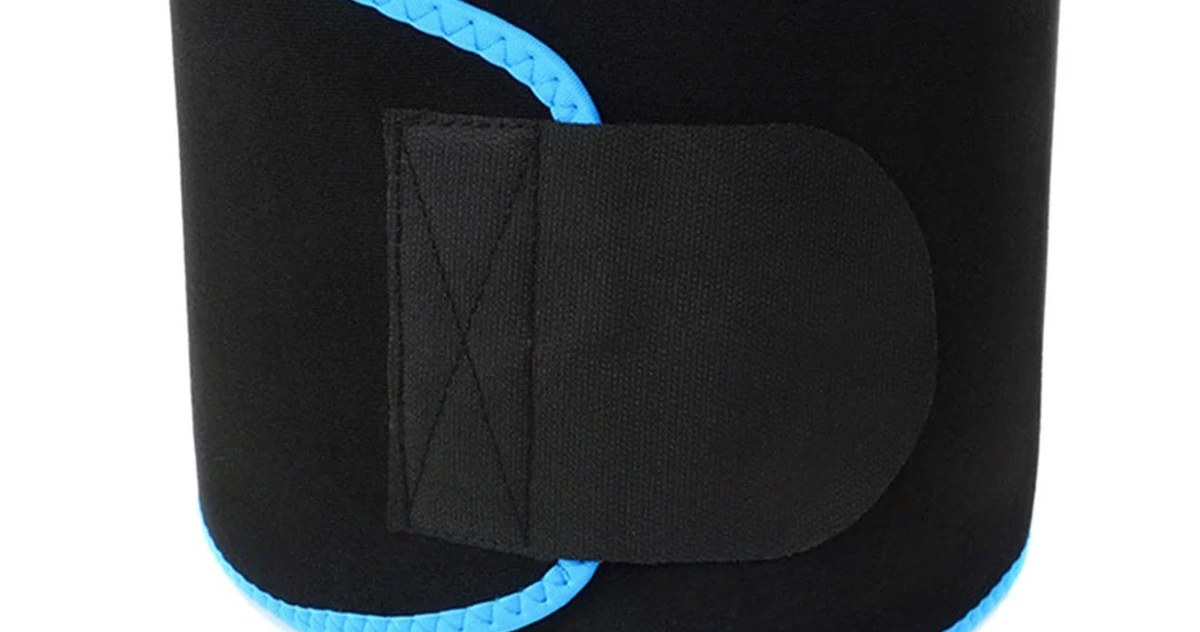
Fitness retailers — a belt for general gym customers who want support for barbell work but do not want a stiff leather belt, in a full size run with retail packaging. If your buyers want a light belt for sweating during a workout instead, see our neoprene fitness vests and sweat belts — a different product for a different job.
When neoprene is NOT the right choice
Tell us the width, the fastening and the logo, and we will cut the belt to your drawing. These are the choices most buyers change.
Can I wear a weightlifting belt for every lift?
No. A belt helps most on heavy squats, deadlifts and presses, where the lifter braces hard against it. For warm-up sets and light accessory work, most lifters train without it, so the core learns to brace on its own. Tell us which lifts your buyers train for and we will set the width and thickness to match.
Hook-and-loop or buckle — which holds better?
Both hold, but they suit different lifters. Hook-and-loop adjusts in seconds between sets and fits a wider waist range in one size, while a buckle locks to one setting and suits lifters who always wear the same tightness. The failure we watch for is the hook-and-loop panel peeling at the edge, which is why we stitch it through both layers of the belt.
What is the minimum order?
200 pieces per design as a general minimum, adjustable to your actual order. Mixed sizes can share one design, so a gym can cover its members in one order.
Can I get a sample first?
Yes — we support sampling, usually in 5–7 days. Send us your design drawing, the belt width and the sizes and we will confirm the sample cost and time.
How long does bulk production take?
Usually 15–18 days after sample approval, depending on the quantity and customisation.
How do I order?
Send us your design drawing, the belt width, the fastening you want and the quantity. We confirm the material, thickness and price, then make a sample for your approval before bulk production.
If your buyers lift heavy, a belt that braces well is the difference between a product they wear every session and one that stays in the locker. The general minimum order is 200 pieces per design, adjustable to your actual order; we support sampling, usually in 5–7 days, and bulk production usually takes 15–18 days after sample approval. Request a quote for custom neoprene weightlifting belts and send your drawing with it — we will confirm the best material and thickness for your lifters before we cut the sample.
Request a Quotation
To help us review your inquiry, please send:
Website: https://www.neoprenecustom.com/ Email: kevin@neoprenecustom.com
Send the drawing, and we will come back with a belt your lifters can brace against.
Contact: Kevin
Phone: 13417385320
Tel: 0734-87965514
Email: kevin@neoprenecustom.com
Add: Intersection of Zhangjialing Road and Science and Technology Road, Guiyang Industrial Park, Guiyang Town, Qidong County, Hengyang City, Hunan Province./Dongguan Factory(GUANXIN): Shixin Street, Fushan Village, Liaobu Town, Dongguan, Guangdong Province.