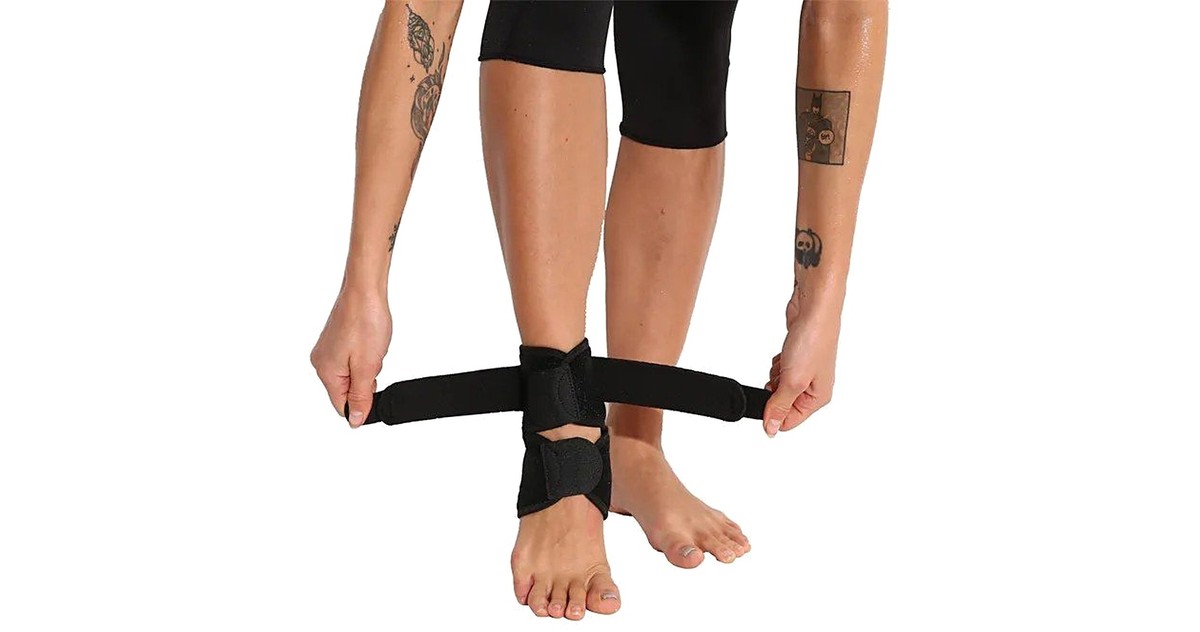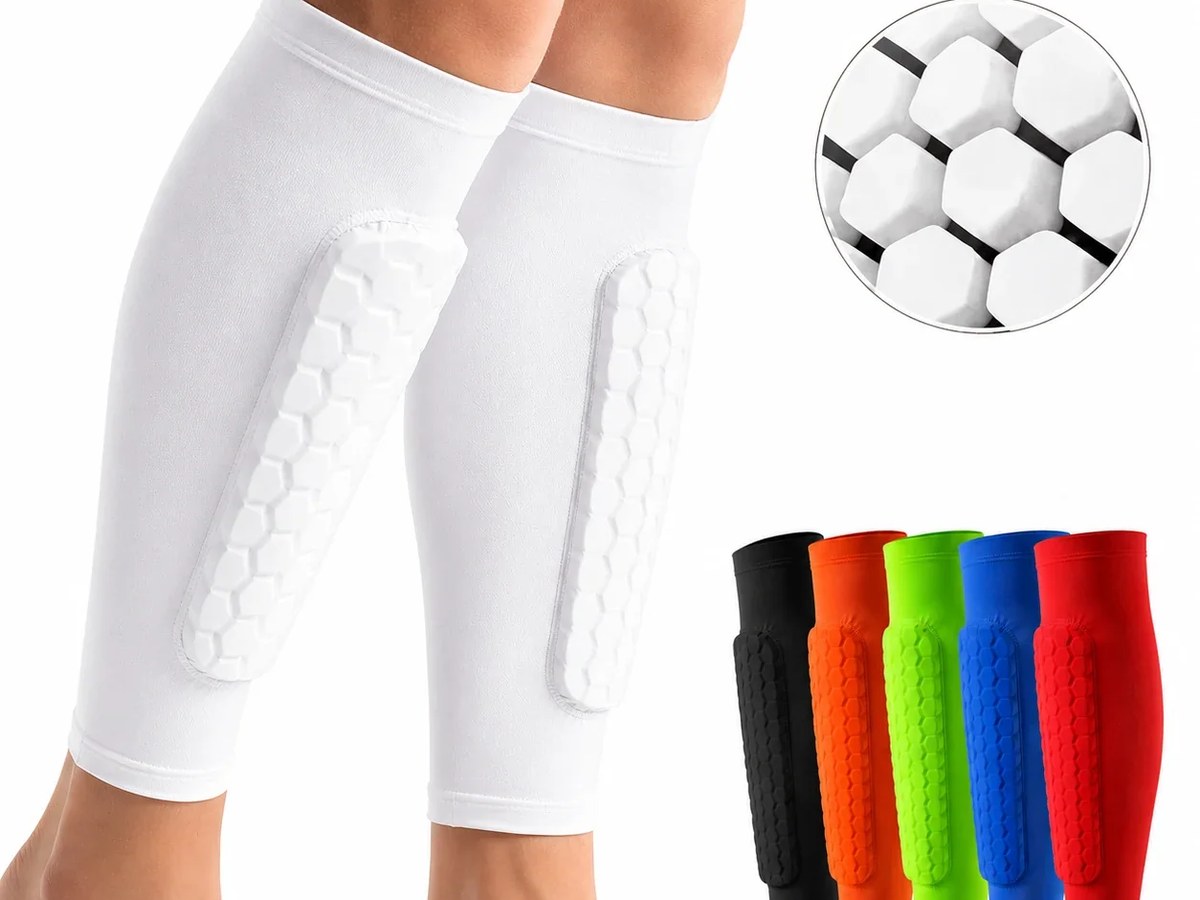
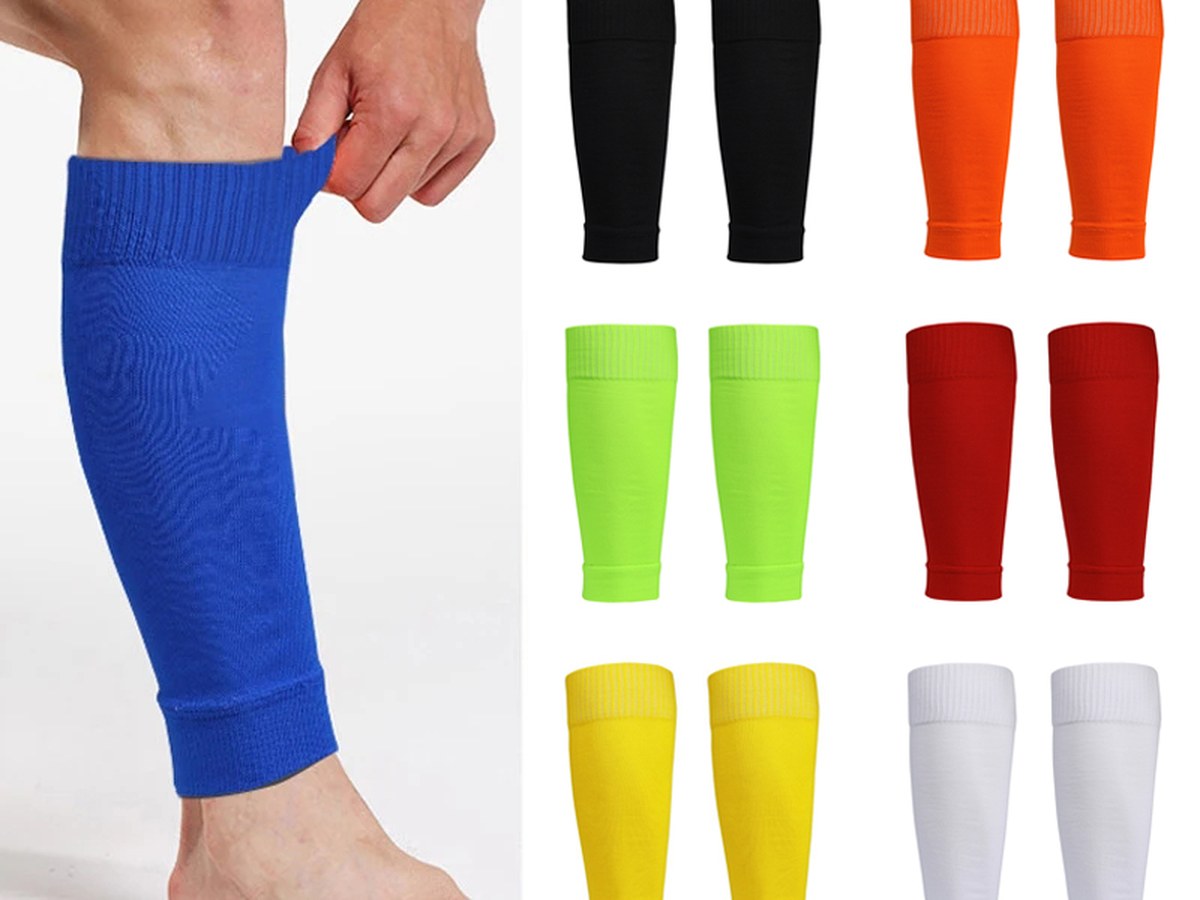
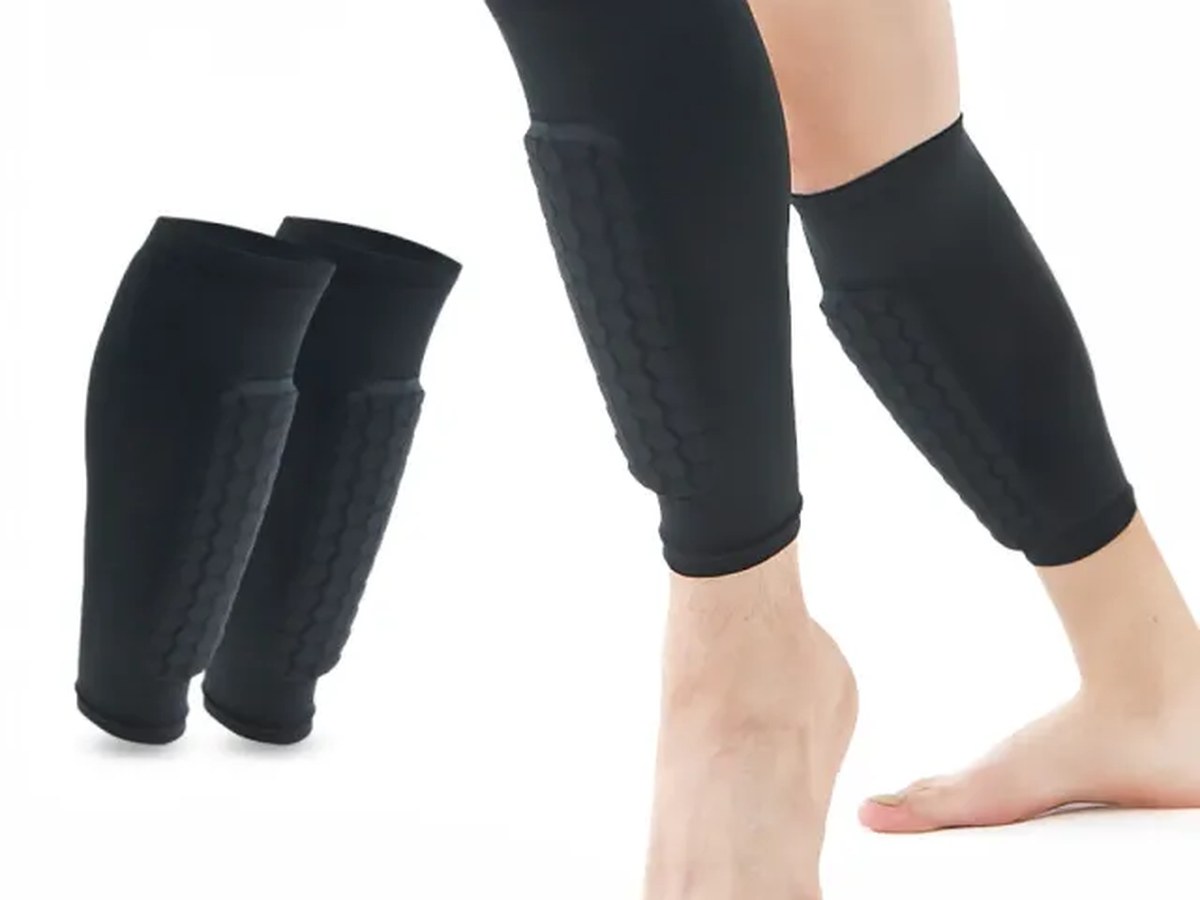
A neoprene calf sleeve is a tapered tube of laminated neoprene (SBR / SCR / CR foam + fabric), usually 3 mm thick, pulled over the calf for gentle compression and warmth while running and in recovery. It is not a knee sleeve: it wraps the calf below the knee, not the joint. Send us your design drawing, the sleeve length and the calf size range, and we will confirm the best material and thickness.
We manufacture custom calf sleeves in our own factory in China, where we have made neoprene products for 15 years. Every sleeve starts as a sheet of laminated neoprene foam, cut to a tapered pattern, then stitched and bound at both ends. Because the foam, the fabric face and the finished sleeve are all made under one roof, we can change the taper, the length or the logo position on a sample and see the result the same week.
The taper is the part that takes care. A calf is wider at the top than at the ankle, so a sleeve cut as a straight tube either squeezes the ankle or slides down the leg. We cut the sleeve as a tapered tube and join it with flatlock stitching, so the inside stays smooth against the skin and the seam does not rub a raw line down the calf over a long run. The top and bottom edges are bound, which stops the sleeve from rolling down or digging in.
The failure we watch for is a sleeve that fits at the calf but is loose at the ankle, because that is the sleeve that ends up around the runner's shoe by the second kilometre. We check the fit at both ends of the taper against your size chart before we cut the bulk order, and the grade between sizes is kept even, so a runner who moves up one size does not jump from a snug fit to a loose one.
3 mm is the standard for a calf sleeve. It is light enough to run in for a long distance, yet it still gives gentle compression and warmth around the muscle. A thicker sleeve supports more firmly, but it is heavier on the leg and warmer, which matters on a long run in warm weather. For the full range of choices, see our neoprene sheet thickness guide.
| Thickness | Best for | Trade-off |
| 3 mm | Running, warm days, everyday training — the standard sleeve | Lightest support; less warmth on cold mornings |
| 5 mm | Training and recovery, cold mornings, firmer support | Heavier on the leg; too warm for a long run in heat |
| 7 mm | Recovery wear and cold-weather use, where warmth matters most | Too heavy and warm for most running; best worn after the run |
Measure the widest part of the calf, not the shoe size. Wrap a tape around the fullest part of the calf while standing, and measure the ankle too, so the taper can be cut to both numbers — a sleeve graded from the calf alone is guesswork at the ankle. Send both measurements with the sleeve length you want, from just below the knee to just above the ankle. See our custom neoprene calf sleeves — tapered fit, flatlock seams, 3–8 mm for the sleeve this page is about.
SBR is the usual choice for a calf sleeve. It is the lower-cost foam, it stretches well as the leg moves, and it gives the gentle compression a running sleeve needs. Most sleeves we make are SBR, because the sleeve is worn for hours at a time and needs to stay soft against the skin. CR is the tougher foam: it resists UV and ozone better and keeps its spring for longer, so choose CR for a premium sleeve, or for a sleeve that will be worn outdoors in strong sun day after day.
| SBR | CR | |
| Cost | Lower cost; the usual choice for running sleeves | Costs more; chosen for premium or outdoor sleeves |
| UV and ozone resistance | Good enough for regular outdoor running | Better; holds up in strong sun over many seasons |
| Water use | Fine for sweat and rain on a run | Better for wet and outdoor conditions |
| Best for | Standard running and recovery sleeves | Premium sleeves and heavy outdoor use |
On our own technical data sheet, SBR foam at 10–15° hardness measures 158.34 kg/m³ density, 256 kPa tensile strength and 185% elongation, while CR foam measures 3–5° hardness, 276.32 kg/m³ density on a 51″×130″ sheet, 860 kPa and 550% elongation. Those are foam-sheet figures, and the softer CR numbers explain why a CR sleeve feels firmer and springs back more strongly after being stretched. SCR sits between the two on cost and on resistance to sun and ozone, and it is worth asking about if your sleeve must be firmer than SBR without moving to CR.
Running shops — a pair of calf sleeves sold next to running shoes and socks, in your colours, for customers who run long distances and want their calves supported.
Sports brands — your logo on a sleeve your customers wear for training and recovery, made to your design, your taper and your size range.
Recovery product sellers — a sleeve for customers whose legs feel stiff after training, sold as part of your recovery range with simple fitting guidance on the label.
Running clubs — matching sleeves for a club, so the team looks like one team on race day and on training runs. Runners who also need shin protection should look at our neoprene shin guards instead — a sleeve supports the muscle, it does not shield the bone.
When neoprene is NOT the right choice
Tell us the taper, the length and the logo, and we will cut the sleeve to your drawing. These are the choices most buyers change.
Can I wear a calf sleeve all day?
Yes, if the fit is right. A 3 mm sleeve is light enough to wear through a working day for standing jobs, and many buyers order it for recovery after training. A 5 mm or 7 mm sleeve feels warmer and firmer, so it suits shorter wear — a run, a training session, or a few hours of recovery — rather than all day.
One sleeve or a pair?
Most buyers order pairs, because runners wear one on each calf. We can pack them singly or in pairs to your packing plan, and the price basis is per piece, so a single-sleeve order for an injured leg is possible too — tell us in your drawing how you want them packed.
What is the minimum order?
200 pieces per design as a general minimum, adjustable to your actual order. Mixed sizes can share one design, so a club can cover all its runners in one order.
Can I get a sample first?
Yes — we support sampling, usually in 5–7 days. Send us your design drawing, the sleeve length and the calf sizes and we will confirm the sample cost and time.
How long does bulk production take?
Usually 15–18 days after sample approval, depending on the quantity and customisation.
How do I order?
Send us your design drawing, the sleeve length, the calf and ankle sizes and the quantity. We confirm the material, thickness and price, then make a sample for your approval before bulk production.
If your runners want calves that feel supported on a long run and less stiff afterwards, the taper is what makes the sleeve work — not just the thickness. The general minimum order is 200 pieces per design, adjustable to your actual order; we support sampling, usually in 5–7 days, and bulk production usually takes 15–18 days after sample approval. Request a quote for custom neoprene calf sleeves and send your drawing with it — we will confirm the best material and thickness for your runners before we cut the sample.
Request a Quotation
To help us review your inquiry, please send:
Website: https://www.neoprenecustom.com/ Email: kevin@neoprenecustom.com
Send the drawing, and we will come back with a sleeve that stays up for the whole run.
Contact: Kevin
Phone: 13417385320
Tel: 0734-87965514
Email: kevin@neoprenecustom.com
Add: Intersection of Zhangjialing Road and Science and Technology Road, Guiyang Industrial Park, Guiyang Town, Qidong County, Hengyang City, Hunan Province./Dongguan Factory(GUANXIN): Shixin Street, Fushan Village, Liaobu Town, Dongguan, Guangdong Province.