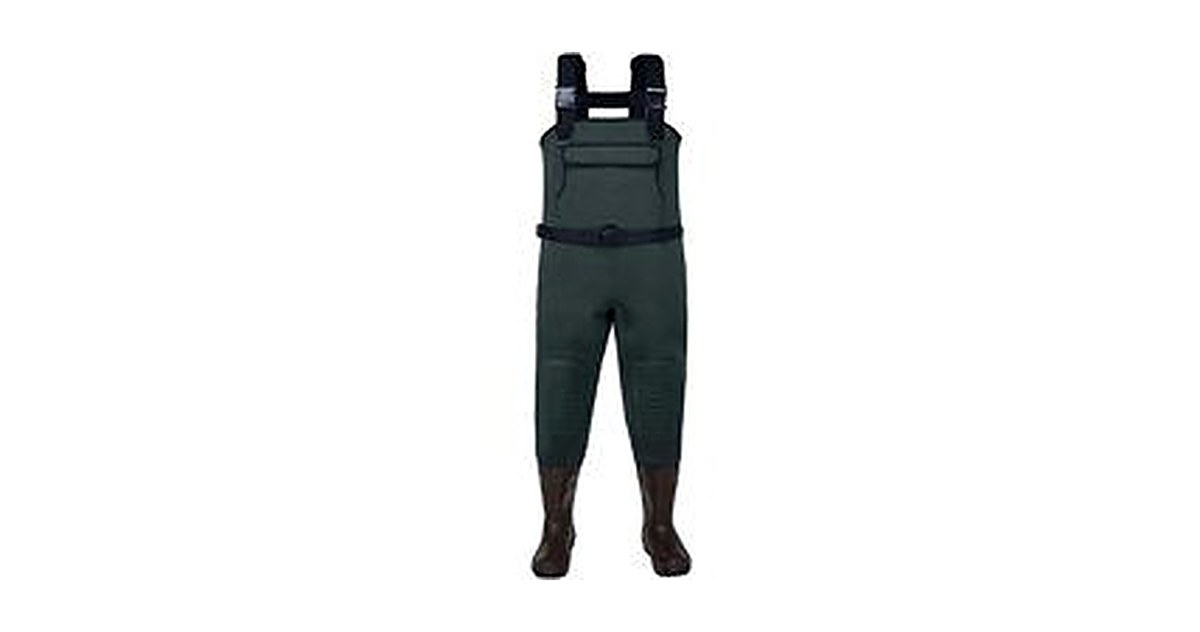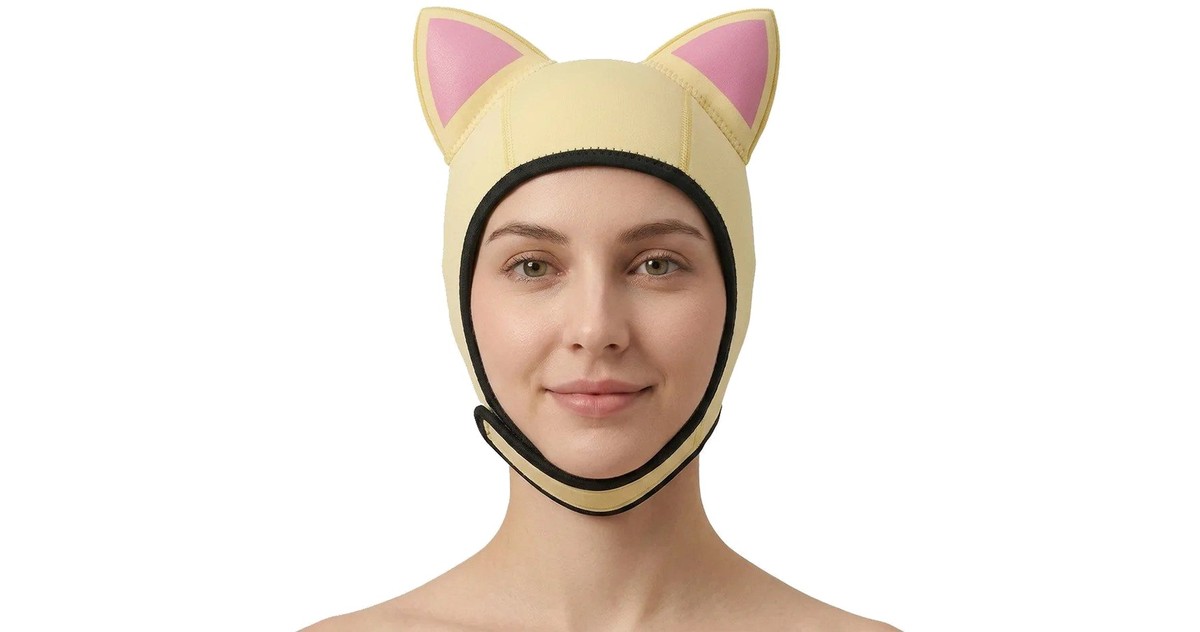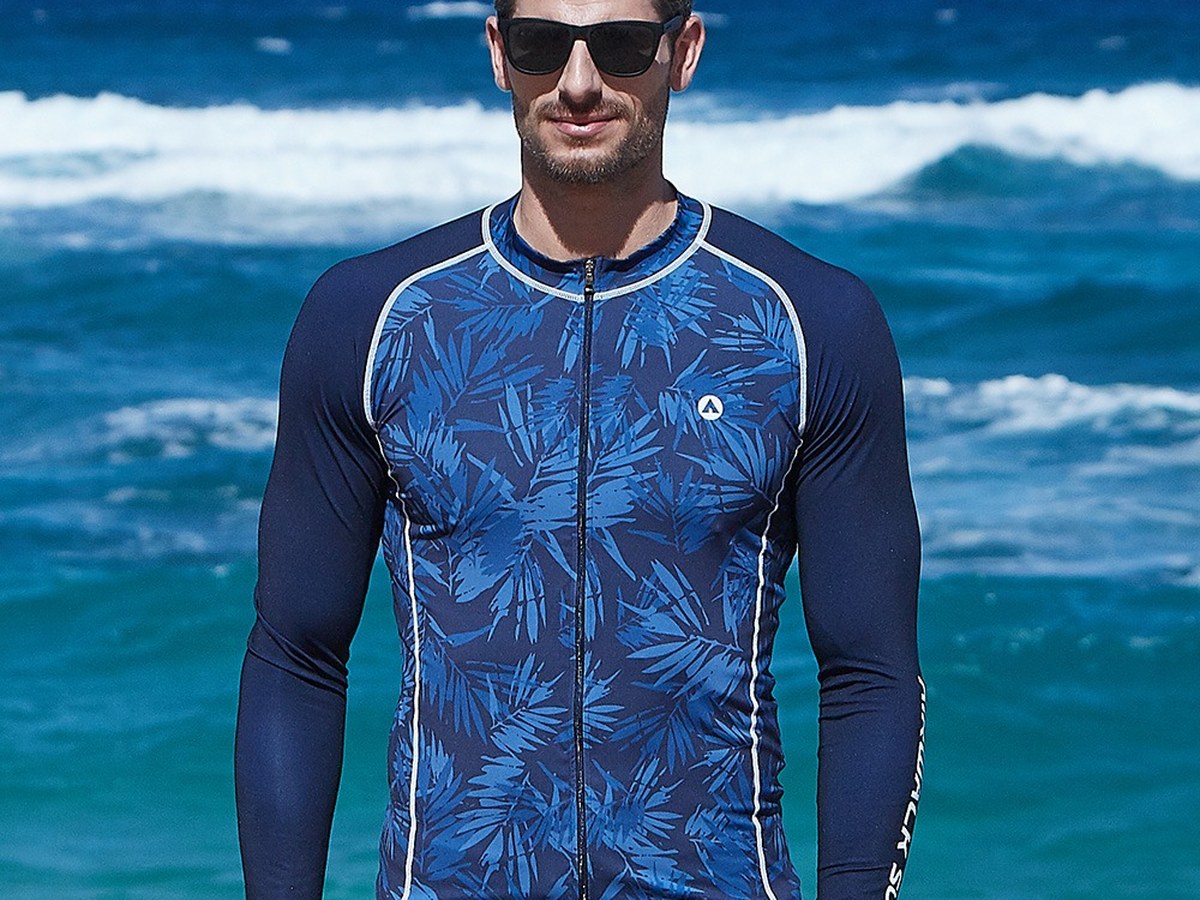
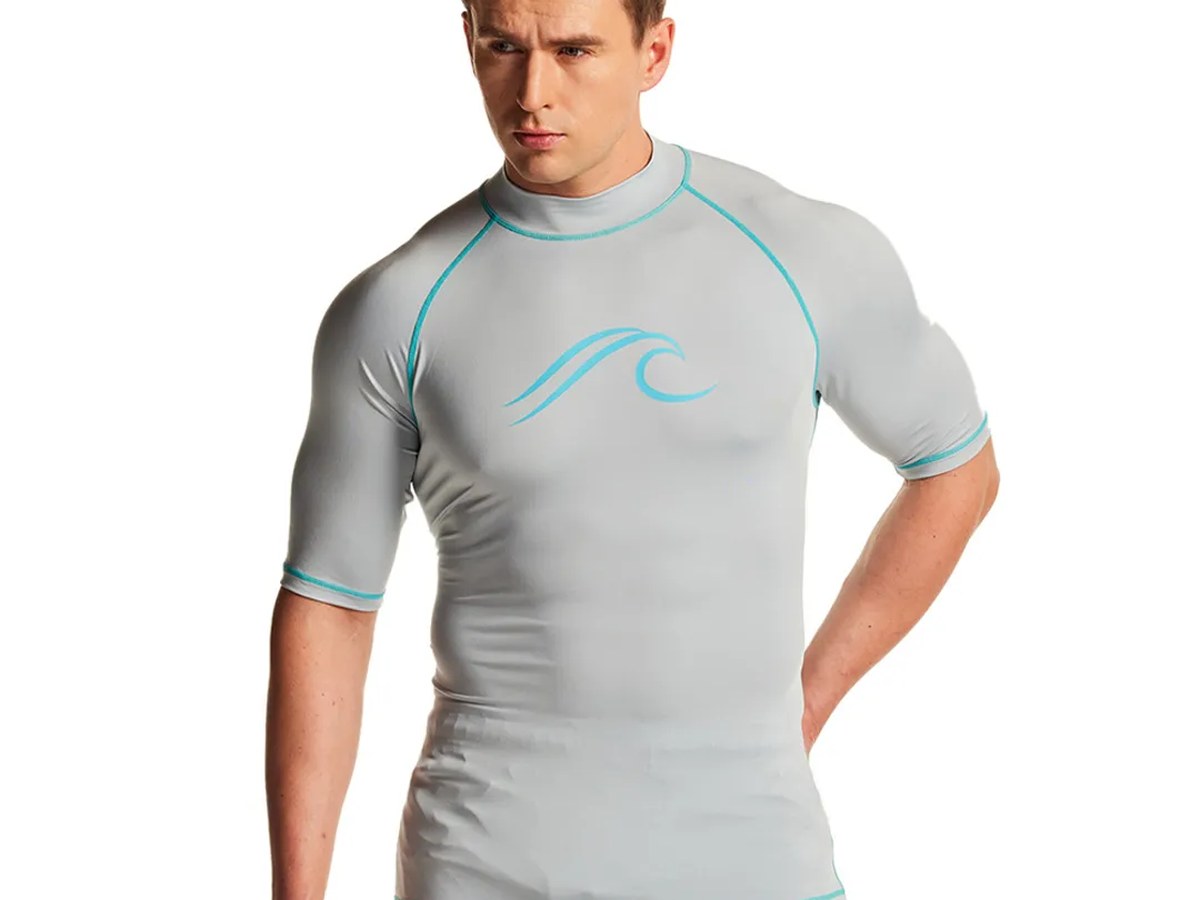
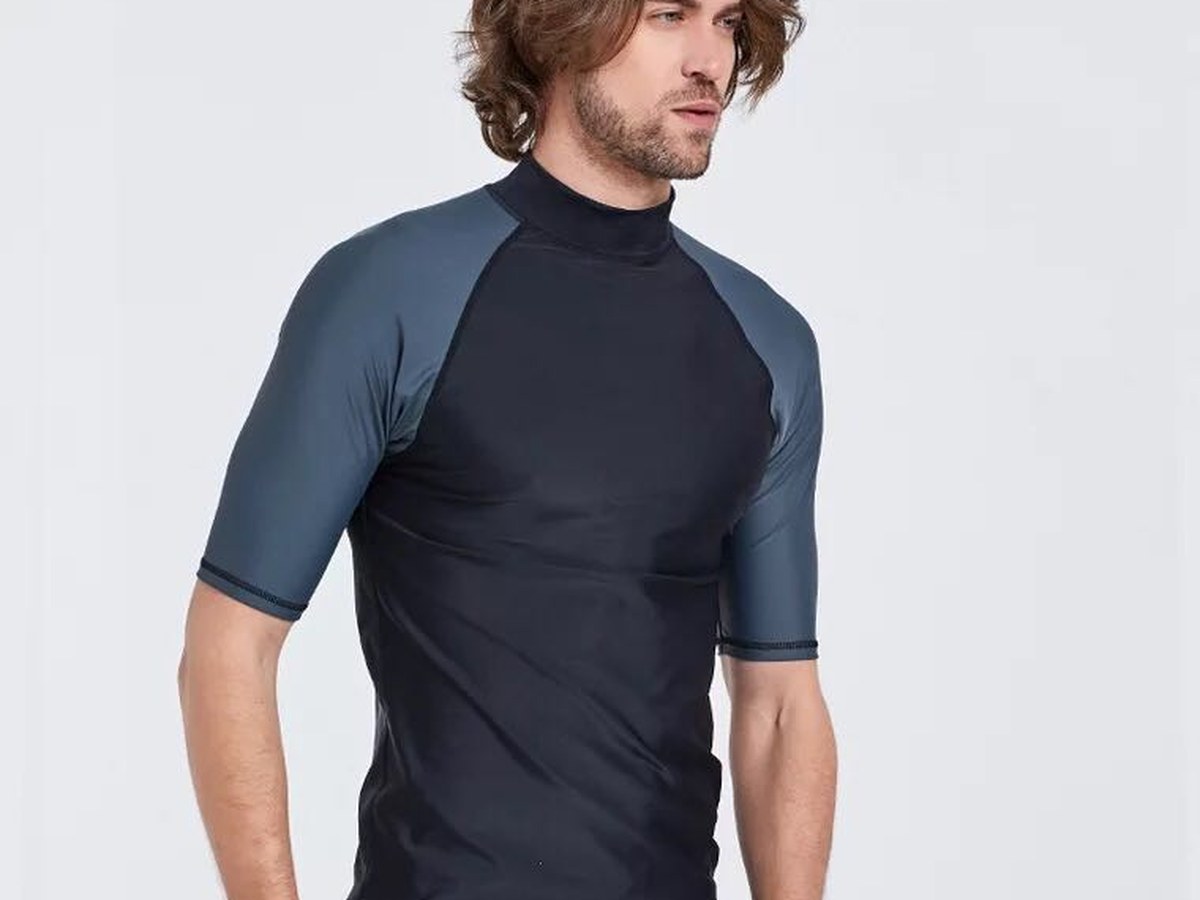
A neoprene rash guard is a light top for surfing, swimming and paddling, made from laminated neoprene (SBR / SCR / CR foam + fabric), 3 mm thick. Surfers wear one under a wetsuit or on its own, to stop board rash and block the sun on long sessions. It is not a wetsuit. Send us your design drawing, the use and the size range, and we will confirm the best material and thickness.
We manufacture custom neoprene rash guards in our own factory in China, where we have made neoprene products for 15 years. The top is cut from laminated neoprene with a snug fit that stays in place in the water, and the smooth fabric face slides against a surfboard instead of rubbing the skin.
The seams are where a rash guard fails first: an overlock seam leaves a hard ridge inside the top, and that ridge rubs the skin raw through hours of paddling. We join the panels with flatlock stitching, which lies flat against the body, so the inside stays smooth against bare skin even on a long session.
The cuffs and hem are finished with a soft binding, which stops the edges from rolling up in the surf. Long-sleeve and short-sleeve versions are both made to your drawing, and the top stretches with every paddle stroke without pulling at the shoulders.
Sleeve length is cut to within 3 mm of the size chart, so a long sleeve covers the wrist the same way on every top in the order. A printed logo across the chest or back is easy to read on the beach and in the water, which is why a surf brand treats the rash guard as a top its riders are happy to be seen in.
3 mm is the standard for a rash guard. A rash guard is meant to be light, so most buyers stay at the thin end of the range: enough foam to stop board rash and take the chill off the wind between sets, without weighing the top down in the water.
| Thickness | Best for | Trade-off |
|---|---|---|
| 3 mm | The standard — warm water, summer surfing, sun cover | Least warmth; not enough on its own in cold water |
| 5 mm | Cooler sessions, layered wear under a wetsuit | Heavier when wet; less stretch for paddling |
| 7 mm | Cold water, long sessions, worn under a wetsuit | Feels like a short wetsuit top; too warm for summer |
Measure the chest and the body length, not the T-shirt size. A T-shirt size hides the difference between a long torso and a short one, and a rash guard that rides up in the surf is useless. Measure around the chest at the widest point and from the shoulder to the waist, and send both numbers with your drawing. For the full chart across all uses, see our neoprene sheet thickness guide, and see our custom neoprene rash guards for the sleeves we make.
SBR is the standard choice for a rash guard. It is light, stretchy and easy to sew into a close-fitting top, and it takes a bright beach print well. CR resists sun, ozone and salt water better, so we recommend it for tops worn every day in strong sun and sea water, where the foam and the print both face the sun for hours. Our CR foam measures 3–5° Shore C hardness and 276.32 kg/m³ density; our SBR (10–15°) measures 10–15° hardness and 158.34 kg/m³. SCR sits between the two: tougher than SBR outdoors, easier to sew than CR.
| SBR | CR | |
|---|---|---|
| Cost | The usual choice; keeps the unit cost down for surf schools and clubs | Costs more than SBR; chosen where daily sun and sea use justifies it |
| UV and ozone resistance | Fair; fine for holiday surfing and pool use | Strong; holds up better in strong sun and salt air |
| Water use | Water-resistant; the top dries between sessions | Water-resistant too; chosen for daily salt-water sessions |
| Best for | Surf schools, swim schools, beachwear | Daily surfers, surf guides, sunny climates |
Either foam is laminated with a nylon jersey face — smooth for a print-ready surface, or a stretch face where the top must move with every paddle stroke.
Surf shops — a top printed with your logo that your riders wear on the beach and in the waves, in long and short sleeves, in the colours your customers ask for.
Surf schools — a rash guard handed to every student before a lesson, in your colours, so the group is easy to spot in the water and nobody comes back with a raw chest.
Swim schools — light tops for swimmers who train outdoors and want sun cover and a little warmth without a full wetsuit.
Water sports brands — a surf top as part of your own water range, made to your design, for customers who spend hours in the water.
When neoprene is NOT the right choice: a rash guard is a light top, not insulation. It is the wrong pick when the brief needs something else:
What causes board rash, and does a rash guard stop it?
Board rash comes from the chest and stomach sliding against the surfboard deck through hundreds of paddle strokes, with salt water and wax rubbing the skin raw. A rash guard puts a smooth neoprene layer between skin and board, so the board slides against the top instead of the skin — and the flatlock seams mean there is no hard ridge inside to rub either.
Do I need a rash guard if I already wear a wetsuit?
Many surfers wear one under a wetsuit anyway. It stops the wetsuit itself from rubbing the chest, adds a thin layer of warmth, and makes the wetsuit easier to slide on and off. Tell us whether the top goes under a wetsuit or on its own, and we will pick the thickness to match.
What is the minimum order?
200 pieces per design as a general minimum, adjustable to your actual order. Tell us your actual quantity and the size split in the enquiry and we will confirm whether it works for your top.
Can I get a sample first?
Yes — we support sampling, usually in 5–7 days. Send us your design drawing and sleeve length and we will confirm the sample cost and time.
How long does bulk production take?
Usually 15–18 days after sample approval, depending on the quantity and customisation. Larger orders or extra custom work can take a little longer, and we will confirm the date with you before bulk production starts.
How do I order?
Send us your design drawing, the sleeve length and the size range. We confirm the material, thickness and price, then make a sample for your approval before bulk production.
Ready to order? Our minimum order is 200 pieces per design as a general minimum, adjustable to your actual order. We support sampling, usually in 5–7 days, and bulk production usually takes 15–18 days after sample approval. Request a quote for our custom neoprene rash guards and we will confirm the material, thickness and price for your top.
Request a Quotation
To help us review your inquiry, please send:
Website: https://www.neoprenecustom.com/ Email: kevin@neoprenecustom.com
Send the list above and we will come back with a sample plan and a quote for your rash guards.
Contact: Kevin
Phone: 13417385320
Tel: 0734-87965514
Email: kevin@neoprenecustom.com
Add: Intersection of Zhangjialing Road and Science and Technology Road, Guiyang Industrial Park, Guiyang Town, Qidong County, Hengyang City, Hunan Province./Dongguan Factory(GUANXIN): Shixin Street, Fushan Village, Liaobu Town, Dongguan, Guangdong Province.