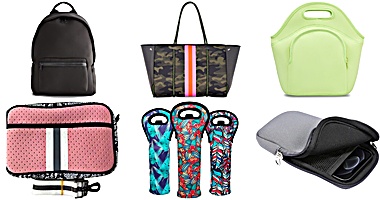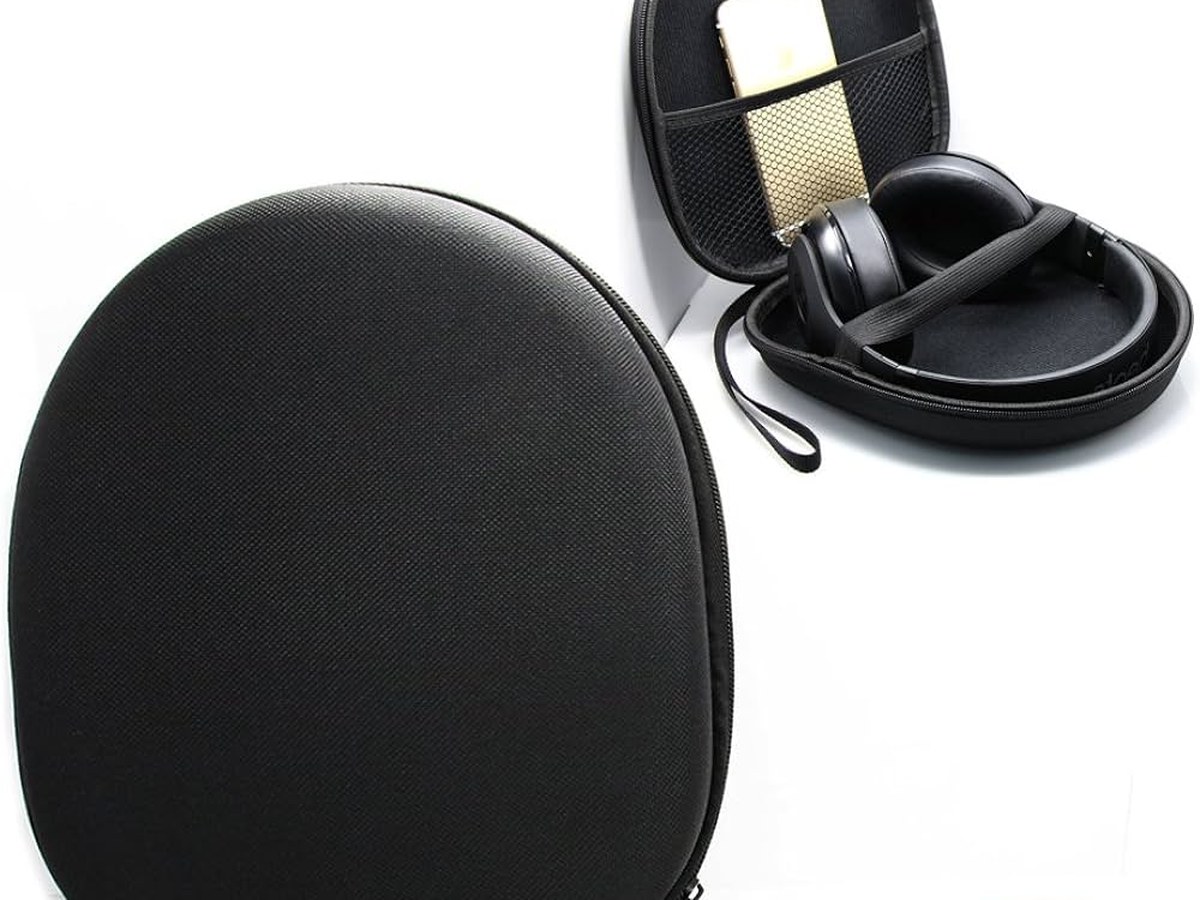
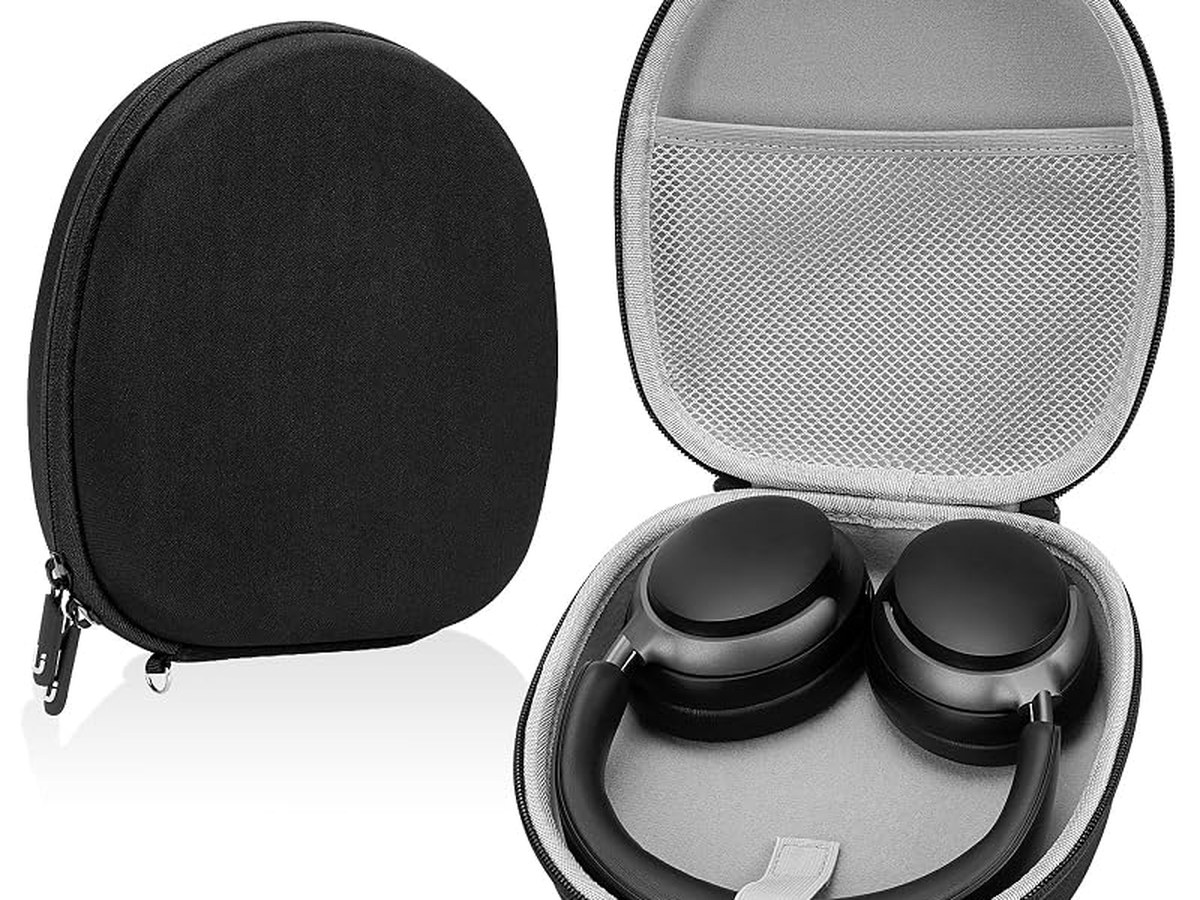
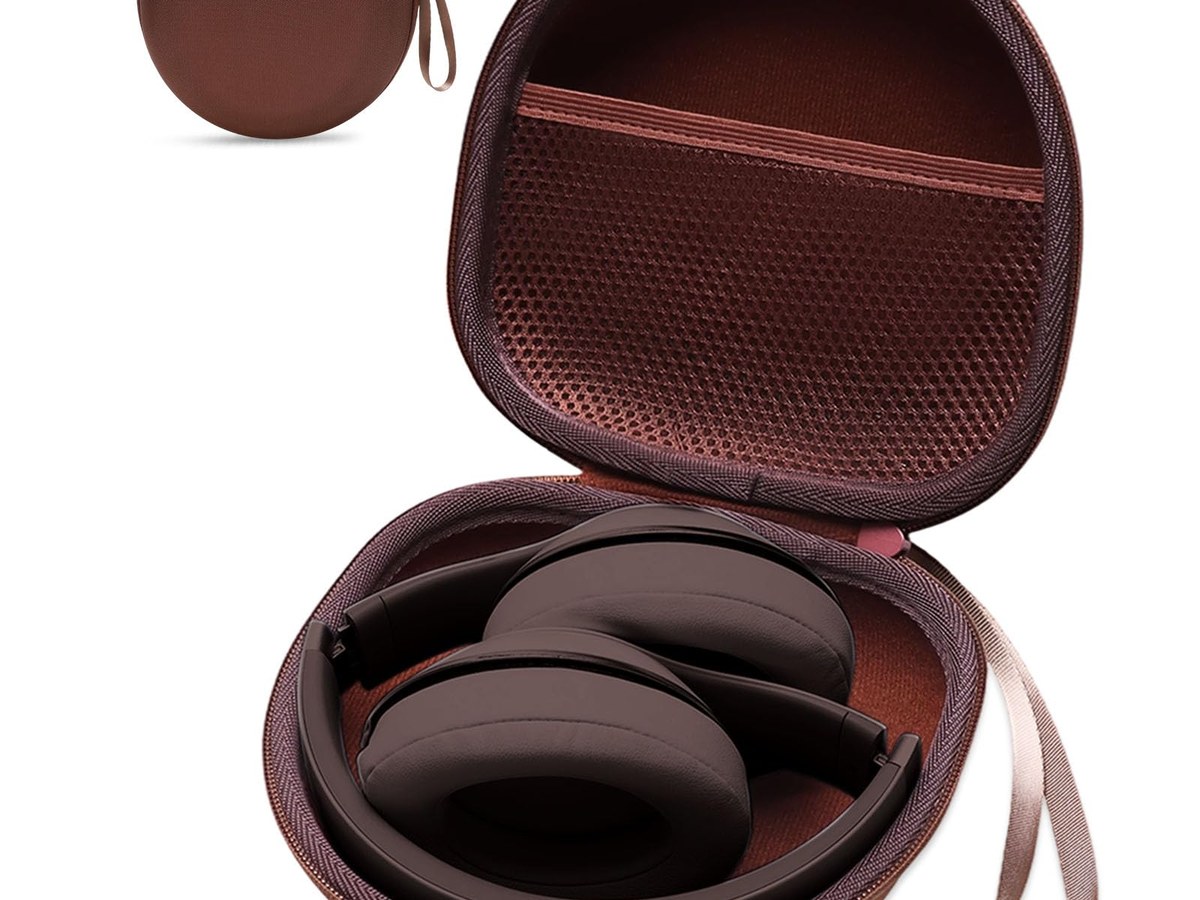
A neoprene headphone case is a case of laminated neoprene (SBR / SCR / CR foam + fabric), usually 5 mm thick, made for over-ear headphones, folded flat, for work, a flight or the gym. It stops ear cups being crushed in a crowded bag. It is not a hard case: it cushions, not a shell. Send us your design drawing and the headphone model, and we will confirm the material and thickness.
We manufacture custom headphone cases in our own factory in China, where we have made neoprene products for 15 years. Every case starts as a sheet of laminated neoprene foam, cut to the shape of the headphones, then stitched with a zip top that opens wide and a small pocket for the cable. Because the foam, the fabric face and the finished case are all made under one roof, we can change the shape, the pocket or the print on a sample and see the result the same week.
The ear cups are the part that must be protected, and their depth is what decides the case. We shape the case to the ear-cup diameter and depth in your drawing, so the headphones sit flat inside without pressing the cushions flat — a case cut to the headphone's outline alone squeezes the cushions, because it forgets how deep they are. A small pocket or loop holds the cable, so it does not tangle around the headphones.
The failure we watch for is a zip that will not close over headphones that are slightly too tall for the case, because the user then forces the zip and splits the seam at the corner. We cut the case with room for the ear-cup depth plus a little clearance, and we stitch the zip tape through both layers of the case body, so the zip closes without a fight. The fabric face wipes clean with a damp cloth after use, and a printed logo on the outside turns the case into part of the headphone brand it travels with.
5 mm is the standard for a headphone case. It cushions the ear cups and the headband, gives the case enough body to hold its round shape, and still fits inside a bag. A thinner case is slimmer to pack but protects less; a thicker case protects more but is bulkier in a handbag or a backpack. For the full range of choices, see our neoprene sheet thickness guide.
| Thickness | Best for | Trade-off |
| 3 mm | Slim travel cases, small headphones, everyday use | Least cushioning; ear cups can press flat in a crowded bag |
| 5 mm | Over-ear headphones, daily carry — the standard case | Best balance of cushioning, shape and slim packing |
| 7 mm | Large headphones, rough travel, luggage and crowded bags | Most protection, but bulkiest in a handbag |
Measure the headphones folded flat, not the headphone model alone. Measure the ear-cup diameter, the ear-cup depth, and the folded size of the whole headphone — two models with similar names can have very different ear cups. Send those three numbers with your drawing, and tell us whether the cable travels inside the case. See our custom neoprene headphone cases — shaped to over-ear headphones, zip top, 3–8 mm for the case this page is about.
SBR is the usual choice for a headphone case. It is the lower-cost foam, it cushions the ear cups well, and it is light enough to drop into a bag every day. Most headphone cases we make are SBR, because the case travels in a bag in normal weather, and SBR is strong enough for that job. CR is the tougher foam: it resists UV and ozone better and keeps its spring for longer, so choose CR for a premium case, or for a case that will be used outdoors in strong sun day after day.
| SBR | CR | |
| Cost | Lower cost; the usual choice for headphone cases | Costs more; chosen for premium cases |
| UV and ozone resistance | Good enough for daily carry | Better; holds up in strong sun over many seasons |
| Water use | Fine for rain and spills; wipes clean | Better for wet outdoor conditions |
| Best for | Standard over-ear headphone cases | Premium cases and heavy outdoor use |
On our own technical data sheet, CR foam measures 3–5° hardness, 276.32 kg/m³ density on a 51″×130″ sheet, 860 kPa tensile strength and 550% elongation, while SBR foam at 10–15° hardness measures 158.34 kg/m³, 256 kPa and 185% elongation. Those are foam-sheet figures, and the higher CR tensile strength is what lets a CR case survive being pulled in and out of a crowded bag without tearing at the zip corners. SCR sits between the two on cost and on resistance to sun and ozone, and it is worth asking about if your case must be tougher than SBR without moving to CR.
Headphone brands — a case that fits your own model, with your logo, sold with every pair of headphones you ship, shaped to your ear cups.
Electronics shops — a headphone case for customers who carry over-ear headphones every day, stocked with your other audio gear, in the sizes their models need.
Gift sellers — a branded case as a present for a traveller or a music lover, for headphones carried on flights and to work.
Travel stores — a compact case for travellers who want their headphones safe on a flight, in your colours, with room for a cable. Travellers who also fly a drone should look at our neoprene drone cases — the headphone case carries the audio, the drone case carries the kit.
When neoprene is NOT the right choice
Tell us the headphone model, the ear-cup size and the carry, and we will cut the case to your drawing. These are the choices most buyers change.
Will the case fit earbuds too?
No — not well. This case is shaped for over-ear headphones, with room for ear cups and a headband. Earbuds and their charging case rattle around loose inside it, and a small pouch fits them far better. If your buyers want both, tell us in your drawing: we can add a small inside pocket for earbuds, but the case itself is still sized for over-ear headphones.
Can the case clip to a bag?
Yes. A carabiner loop can be fixed to the outside of the case, so it clips to a backpack or a gym bag instead of taking up room inside. The loop is stitched through both layers of the case body with reinforced stitching, because a loop fixed to the fabric face alone pulls away under the weight of the headphones — tell us in your drawing whether you want a loop, a handle, or neither.
What is the minimum order?
200 pieces per design as a general minimum, adjustable to your actual order. Mixed headphone models need a separate design each, because the shape follows the model.
Can I get a sample first?
Yes — we support sampling, usually in 5–7 days. Send us your design drawing, the headphone model and the folded size and we will confirm the sample cost and time.
How long does bulk production take?
Usually 15–18 days after sample approval, depending on the quantity and customisation.
How do I order?
Send us your design drawing, the headphone model, the folded size and the quantity. We confirm the material, thickness and price, then make a sample for your approval before bulk production.
If your customers carry over-ear headphones every day, the ear-cup depth is what makes the case work — a case that squeezes the cushions flat is worse than no case at all. The general minimum order is 200 pieces per design, adjustable to your actual order; we support sampling, usually in 5–7 days, and bulk production usually takes 15–18 days after sample approval. Request a quote for custom neoprene headphone cases and send your drawing with it — we will confirm the best material and thickness for your headphones before we cut the sample.
Request a Quotation
To help us review your inquiry, please send:
Website: https://www.neoprenecustom.com/ Email: kevin@neoprenecustom.com
Send the drawing, and we will come back with a case that fits the ear cups, not just the outline.
Contact: Kevin
Phone: 13417385320
Tel: 0734-87965514
Email: kevin@neoprenecustom.com
Add: Intersection of Zhangjialing Road and Science and Technology Road, Guiyang Industrial Park, Guiyang Town, Qidong County, Hengyang City, Hunan Province./Dongguan Factory(GUANXIN): Shixin Street, Fushan Village, Liaobu Town, Dongguan, Guangdong Province.