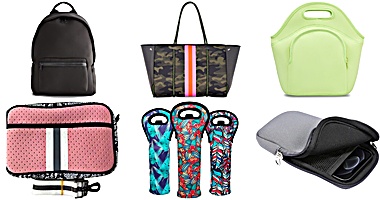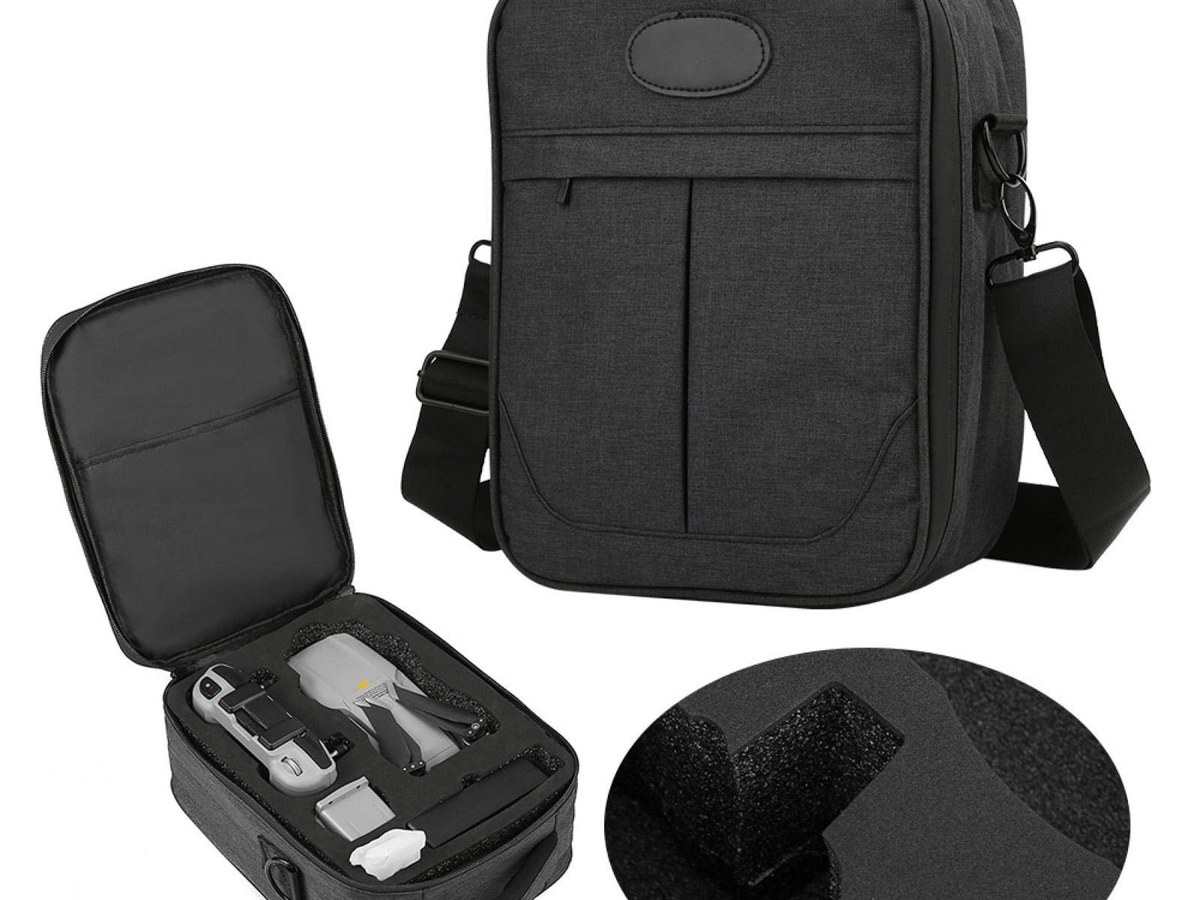
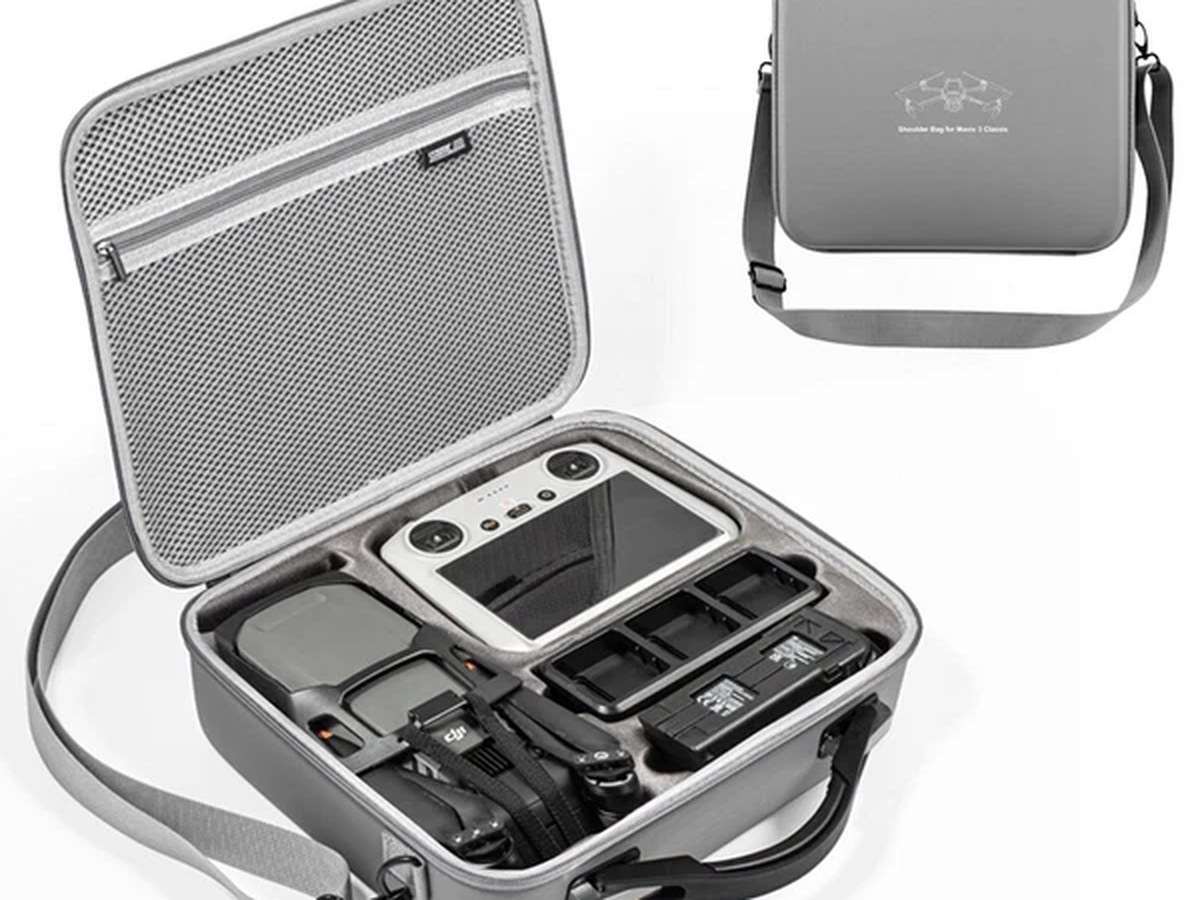
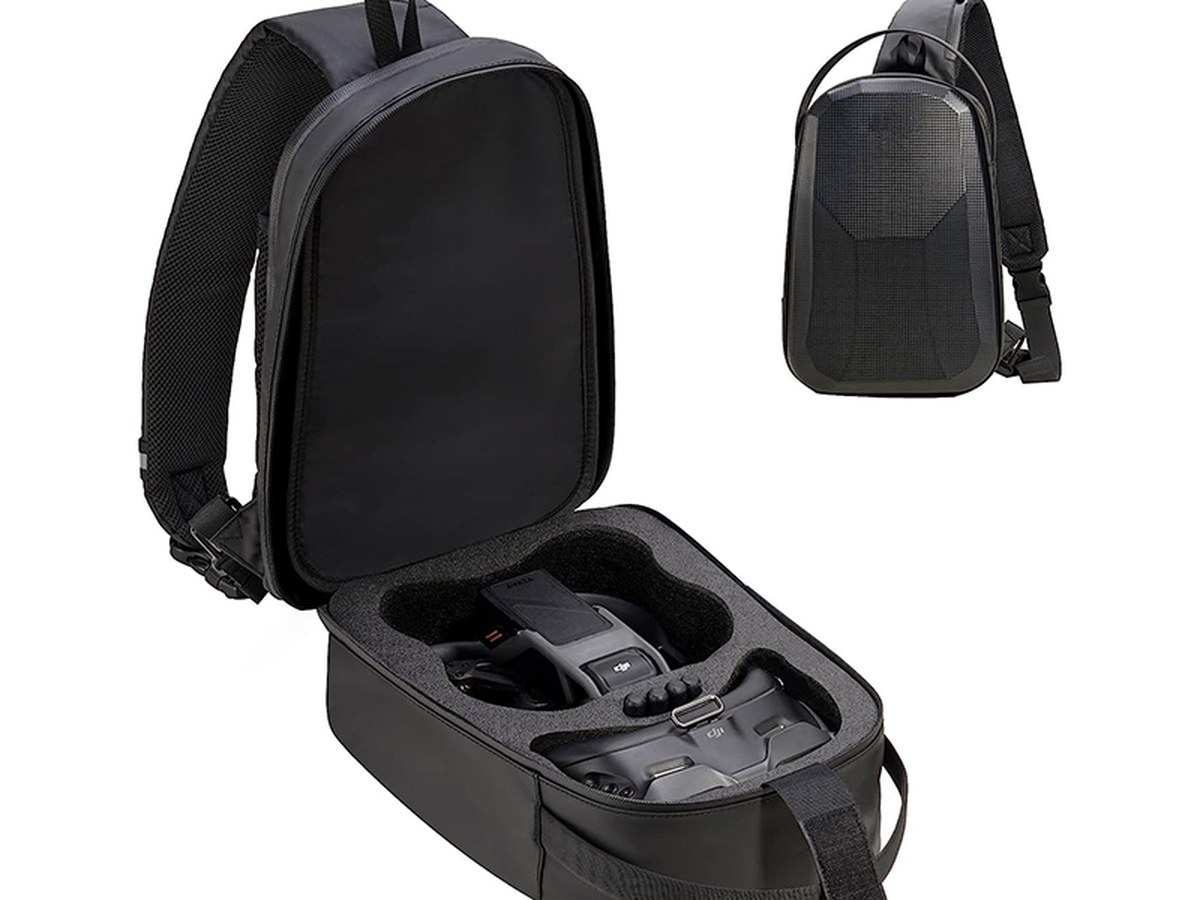
A neoprene drone case is a case of laminated neoprene (SBR / SCR / CR foam + fabric), usually 5 mm thick, made to carry a drone, remote and batteries to a shoot, each in its own section. It is not a flight case: it carries the kit to the field, it does not go into a hold. Send us your design drawing and the drone model, and we will confirm the material and thickness.
We manufacture custom drone cases in our own factory in China, where we have made neoprene products for 15 years. Every case starts as a sheet of laminated neoprene foam, cut to your layout, then stitched with dividers, a zip top and a carry handle. Because the foam, the fabric face and the finished case are all made under one roof, we can change the compartment layout, the handle or the print on a sample and see the result the same week.
The dividers are what make a drone case work. The drone body, the remote, spare batteries and cables each need a place of their own, and the dividers must be stitched to the base of the case, not just to the sides — a divider stitched only at the sides leans over under the weight of a battery and lets it slide onto the drone. We stitch the dividers to the base and bind their top edges, so each section keeps its shape when the case is opened and closed a hundred times.
The failure we watch for is a zip that splits at the corner, because a drone case is zipped shut with the kit packed tight. We use a zip that opens wide enough to lay the drone in flat, and we stitch the zip tape through both layers of the case body with a second row of stitching at the corners, where the pull is hardest. The shape follows the drone model: a folding drone, a camera drone and a racing drone all sit differently, so we shape the case to the measurements in your drawing.
5 mm is the standard for a drone case. It cushions the drone body, the camera and the remote, gives the case enough body to hold its shape when it is packed, and still feels light on the way to a shoot. A thinner case is lighter to carry but protects less; a thicker case protects more but is heavier and harder to pack into a larger bag. For the full range of choices, see our neoprene sheet thickness guide.
| Thickness | Best for | Trade-off |
| 3 mm | Small drones, light travel, a slim everyday case | Least cushioning; not enough for a camera drone |
| 5 mm | Camera drones and field shoots — the standard drone case | Best balance of cushioning, shape and carry weight |
| 7 mm | Large drones and rough travel, car boots and site work | Most protection, but heaviest to carry and hardest to pack |
Measure the drone folded, not the drone's name alone. Measure the drone with its arms folded, the remote, and each battery — length, width and height of each piece — because two drones with similar names can be very different sizes. Send those measurements with your drawing, and tell us whether the propellers stay on the drone in the case. See our custom neoprene drone cases — sections for body, remote and batteries, 3–8 mm for the case this page is about.
SBR is the usual choice for a drone case. It is the lower-cost foam, it cushions the drone and the camera well, and it is light enough to carry to a shoot. Most drone cases we make are SBR, because the case is carried to the field in normal weather, and SBR is strong enough for that job. CR is the tougher foam: it resists UV and ozone better and keeps its spring for longer, so choose CR for a premium case, or for a case that will be used outdoors in strong sun day after day.
| SBR | CR | |
| Cost | Lower cost; the usual choice for drone cases | Costs more; chosen for premium cases |
| UV and ozone resistance | Good enough for field shoots | Better; holds up in strong sun over many seasons |
| Water use | Fine for rain and damp fields; wipes clean | Better for wet outdoor conditions |
| Best for | Standard drone and camera-drone cases | Premium cases and heavy outdoor use |
On our own technical data sheet, SBR foam at 10–15° hardness measures 158.34 kg/m³ density, 256 kPa tensile strength and 185% elongation, while CR foam measures 3–5° hardness, 276.32 kg/m³ density on a 51″×130″ sheet, 860 kPa and 550% elongation. Those are foam-sheet figures, and the higher CR tensile strength is what lets a CR case survive being thrown into car boots and site bags without tearing at the zip corners. SCR sits between the two on cost and on resistance to sun and ozone, and it is worth asking about if your case must be tougher than SBR without moving to CR.
Drone brands — a case that fits your own model exactly, with your logo, sold with every drone you ship, laid out for your body, remote and batteries.
Camera shops — a drone case for customers who fly for work or for fun, stocked with your other camera gear, in the sizes their drones need.
Aerial photography sellers — a case for photographers who pack a drone and its remote for a shoot, where the camera must arrive undamaged.
Survey and inspection teams — a case for a work drone carried to roofs, fields and sites, where the drone is used every working day. Pilots who also carry headphones to the shoot should look at our neoprene headphone cases — the drone case carries the kit, the headphone case carries the audio.
When neoprene is NOT the right choice
Tell us the drone model, the layout and the carry, and we will cut the case to your drawing. These are the choices most buyers change.
Will the case fit my drone with the propellers on?
It can, if you tell us. A case cut for a drone with its propellers on needs longer, wider sections than one cut for a folded drone, and the propellers need their own space so they do not press against the body. Send the drone's folded size and its size with propellers on, and we will lay out the sections to whichever way your pilots pack it.
Do batteries need their own compartment?
Yes. Spare batteries should sit in a section of their own, away from the drone body and the camera, so they cannot slide onto the drone in transit. A battery loose in the main section is the most common cause of a scratched camera on the way to a shoot — tell us how many batteries the case must hold and we will divide the case to fit them.
What is the minimum order?
200 pieces per design as a general minimum, adjustable to your actual order. Mixed drone models need a separate design each, because the layout follows the model.
Can I get a sample first?
Yes — we support sampling, usually in 5–7 days. Send us your design drawing, the drone model and the compartment layout and we will confirm the sample cost and time.
How long does bulk production take?
Usually 15–18 days after sample approval, depending on the quantity and customisation.
How do I order?
Send us your design drawing, the drone model, the case layout and the quantity. We confirm the material, thickness and price, then make a sample for your approval before bulk production.
If your pilots fly for work, the dividers are what make the case work — a battery that slides onto the camera on the way to a shoot is a job lost before it starts. The general minimum order is 200 pieces per design, adjustable to your actual order; we support sampling, usually in 5–7 days, and bulk production usually takes 15–18 days after sample approval. Request a quote for custom neoprene drone cases and send your drawing with it — we will confirm the best material and thickness for your kit before we cut the sample.
Request a Quotation
To help us review your inquiry, please send:
Website: https://www.neoprenecustom.com/ Email: kevin@neoprenecustom.com
Send the drawing, and we will come back with a case where nothing knocks against the drone.
Contact: Kevin
Phone: 13417385320
Tel: 0734-87965514
Email: kevin@neoprenecustom.com
Add: Intersection of Zhangjialing Road and Science and Technology Road, Guiyang Industrial Park, Guiyang Town, Qidong County, Hengyang City, Hunan Province./Dongguan Factory(GUANXIN): Shixin Street, Fushan Village, Liaobu Town, Dongguan, Guangdong Province.