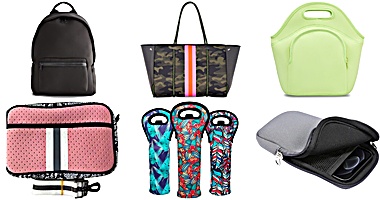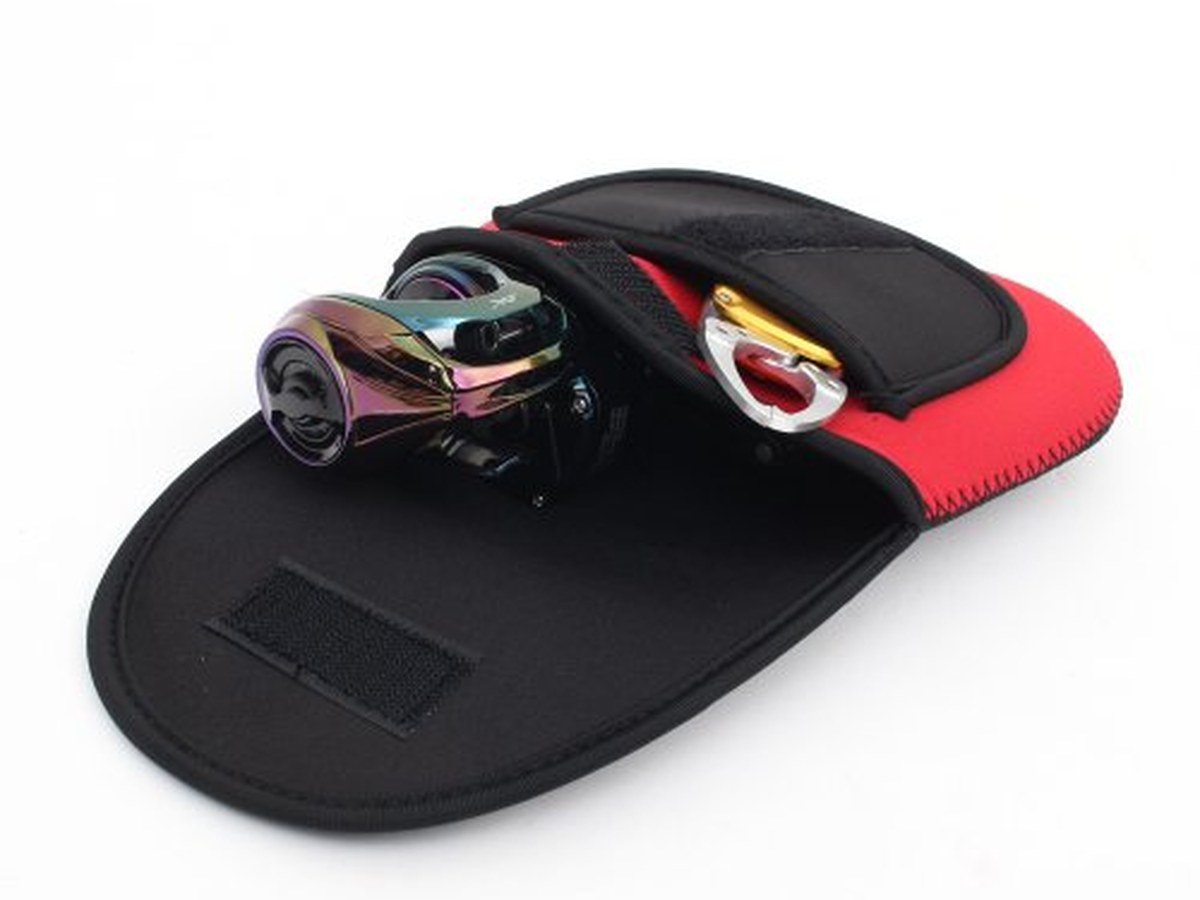
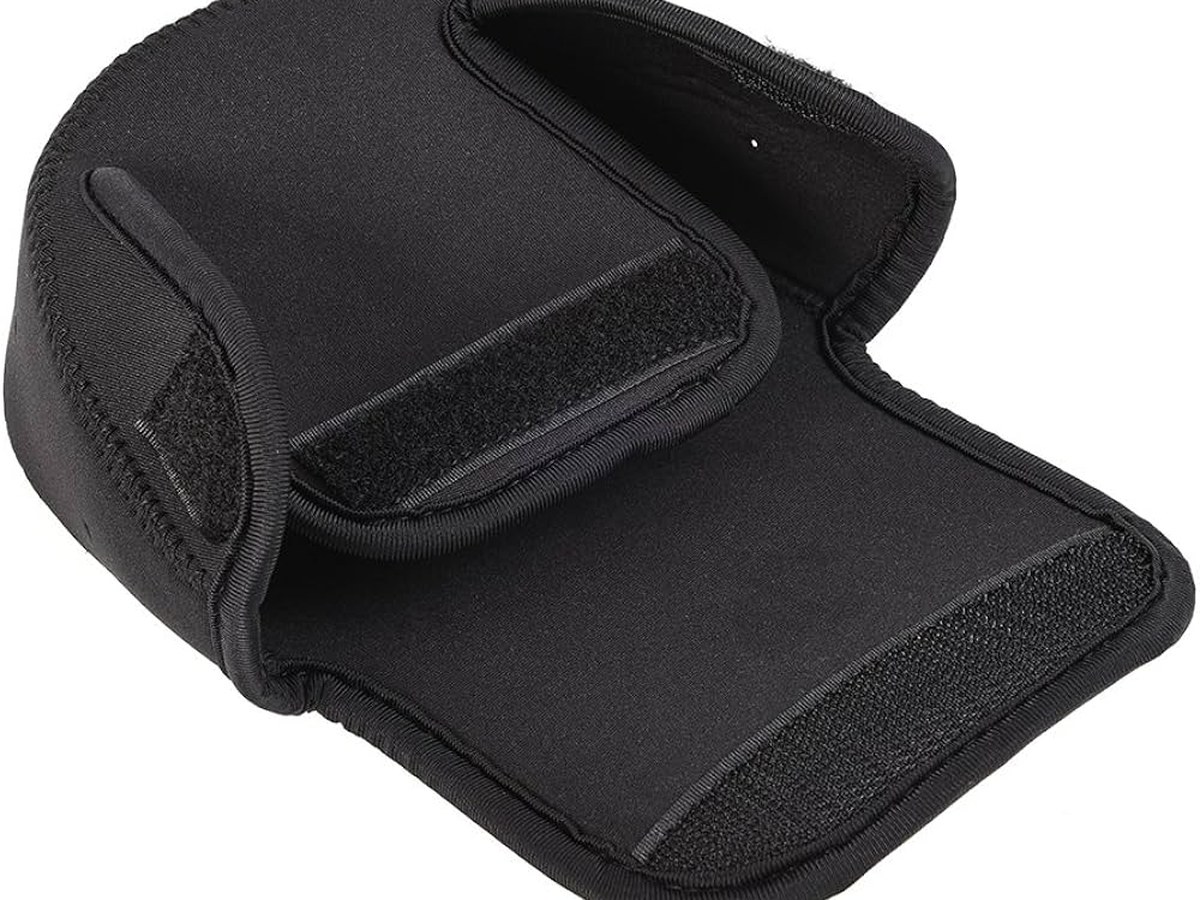
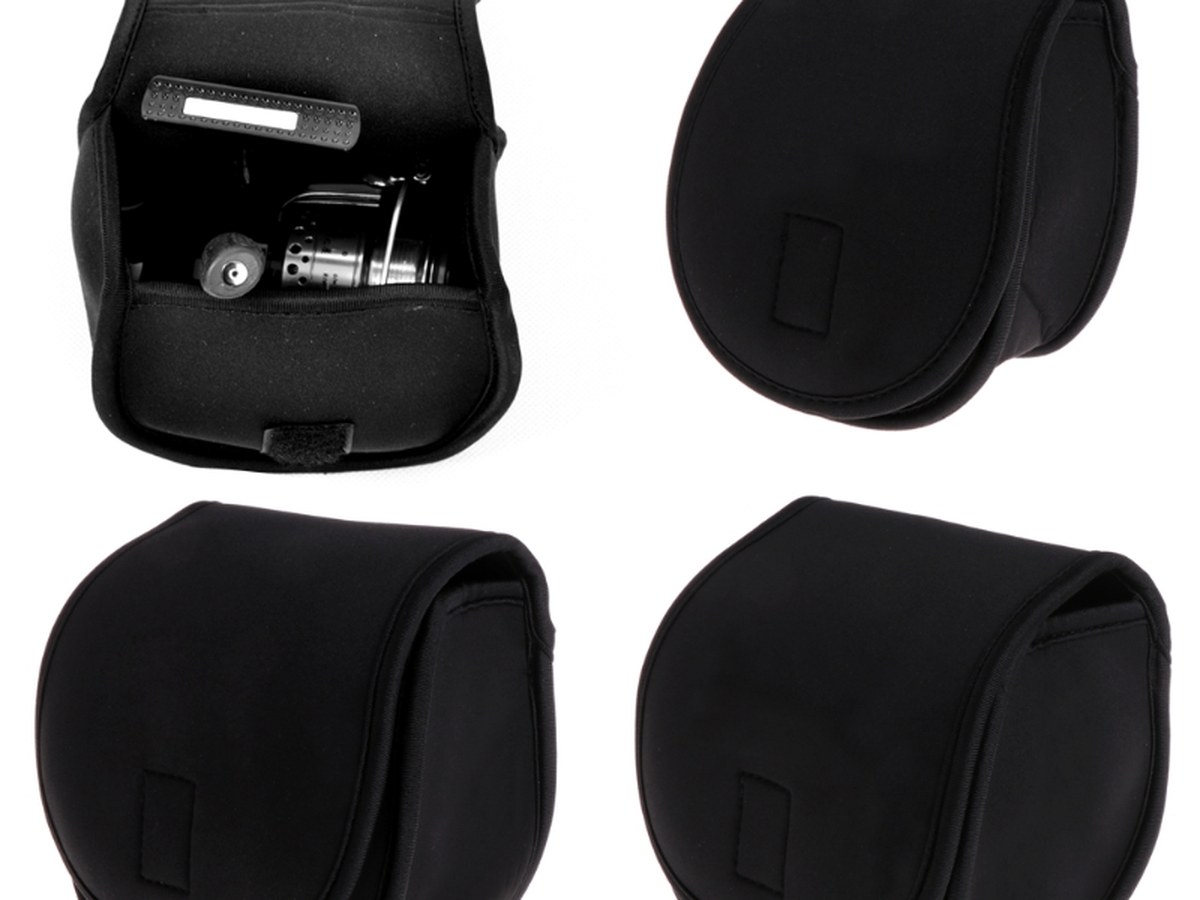
A neoprene fishing tackle bag is a bag of laminated neoprene (SBR, SCR or CR foam + fabric), usually 5 mm thick, with divided pockets that hold hooks, lines, floats and small tackle so they do not tangle on the way to the water. Fishing brands, tackle shops and outdoor stores order it for fishing. It holds the small tackle, not the fishing rod. Send us your design drawing, bag size and pocket layout, and we will confirm the best material and thickness.
We manufacture custom neoprene fishing tackle bags in our own factory in China, where we have made neoprene products for 15 years. We cut the foam, laminate the fabric face and stitch the finished fishing tackle bags under one roof, so a change to the size or the print can be checked on a sample before bulk production starts.
A tackle bag is judged by its pockets: if the dividers are in the wrong place, hooks tangle and lines knot, so we lay out the pockets to the tackle you name — a flat pocket for hooks, a divided pocket for floats, a small pocket for line and swivels — and we stitch the divider seams with a wide allowance, because a divider that splits lets everything slide into one corner of the bag.
The bag is carried to the water and back, often wet, so the zips and the closing are where it is judged. We fit zips to your drawing and check them by opening and closing the finished bag several times with the pockets full, because a zip that catches when the bag is full is a zip the angler fights on the bank, and we finish the edges with a bound hem so they do not fray after repeated trips.
The bag sits on wet grass and in the bottom of a boat, so it has to take water without soaking through. The foam cushions the tackle against knocks, and the fabric face takes a printed logo cleanly, so the brand is visible on the bank, and the whole bag wipes clean after a day by the water and dries flat, ready for the next trip.
5 mm is the standard for most neoprene fishing tackle bags. It gives a good balance of shape, cushioning and a bag that holds its form on the bank, which is why most of the tackle bags we make are cut in 5 mm. For the full range, see our neoprene sheet thickness guide.
| Thickness | Best for | Trade-off |
|---|---|---|
| 3 mm | Slim tackle bags for a few hooks and floats; lightest to carry | Least protection; not enough for a full tackle load |
| 5 mm | Most fishing tackle bags for hooks, lines and floats; daily fishing use | Best balance of shape, cushioning and pocket layout |
| 7 mm | Tackle bags that protect fragile floats and take hard outdoor use | Most cushioning and shape, but heavier to carry to the water |
Measure the tackle, not the trip. Tell us the size of the largest item each pocket must hold — the longest float, the biggest hook box — because a bag ordered by trip length alone often ends up with pockets that fit nothing you carry. See our custom neoprene fishing tackle bags — divided pockets for hooks and lines, 3–8 mm for the styles this thickness choice applies to. For a cover that wraps the rod itself rather than the small tackle, our neoprene fishing rod covers are the closer page.
CR is the usual choice for a fishing tackle bag, and SBR is the choice where cost matters more than water life. CR (chloroprene rubber) resists UV, ozone and seawater better, so a bag that will be used by the water, trip after trip, holds up longer in CR. SBR (styrene-butadiene rubber) is the lower-cost foam and is fine for freshwater fishing and tackle that is stored indoors.
The numbers from our own technical data sheet show why the two foams feel different: our CR foam measures 3–5° Shore C hardness, 276.32 kg/m³ density, 860 kPa tensile strength and 550% elongation, while our SBR (10–15°) measures 10–15° hardness, 158.34 kg/m³ density, 256 kPa tensile strength and 185% elongation. CR is softer and stretches further, so it folds around the tackle without a fight; SBR is firmer and holds the pocket layout and the bag shape through repeated trips. SCR sits between the two on cost and stretch, and we use it where a customer wants more give than SBR without paying for CR.
| SBR | CR | |
|---|---|---|
| Cost | Lower cost; the usual choice for everyday lines | Costs more than SBR |
| UV and ozone resistance | Fair; best for indoor storage and short outdoor use | Better; holds up longer in sun, ozone and salt air |
| Water use | Fine for occasional splashes by the water | Better for repeated wet use and seaside fishing |
| Best for | Freshwater and everyday tackle bags | Seaside and premium tackle bags |
For keeping gear dry on a kayak or a boat, our neoprene dry bags are the closer page.
Fishing brands — your own logo on a tackle bag your customers carry to the water on every trip, made to your pocket layout.
Tackle shops — tackle bags with the pockets your customers ask for, sized to the tackle you sell, for anglers who want their hooks sorted.
Outdoor stores — a tackle bag stocked next to rods and reels, in your colours, for customers who fish at the weekend.
Gift companies — a tackle bag as a gift for an angler, with a printed logo, for birthdays, holidays and fishing club prizes.
When neoprene is NOT the right choice
Tell us which of these your fishing tackle bags need, and we will build the sample to your drawing.
How many pockets does one tackle bag have?
As many as you design it for. Tell us the tackle each pocket must hold in your drawing and we lay out the dividers to fit — a flat pocket for hooks, a divided pocket for floats, a small pocket for line.
Will my hooks tangle in the bag?
No, not if the dividers are cut to the tackle size. Divided pockets keep hooks, lines and floats apart, so nothing tangles on the way to the water.
What is the minimum order?
200 pieces per design as a general minimum, adjustable to your actual order.
Can I get a sample first?
Yes — we support sampling, usually in 5–7 days. Send us your design drawing and the largest tackle size and pocket layout and we will confirm the sample cost and time.
How long does bulk production take?
Usually 15–18 days after sample approval, depending on the quantity and customisation.
How do I order?
Send us your design drawing, the bag size and pocket layout and the quantity. We confirm the material, thickness and price, then make a sample for your approval before bulk production.
We make custom neoprene fishing tackle bags to your bag size, your pocket layout and your print, and we check the pockets and the zips on a sample before bulk production. The general minimum order is 200 pieces per design, adjustable to your actual order; sampling is supported, usually in 5–7 days; and bulk production usually takes 15–18 days after sample approval. Request a quote for custom neoprene fishing tackle bags and we will confirm the best material and thickness for your fishing tackle bags.
Request a Quotation
To help us review your inquiry, please send:
Website: https://www.neoprenecustom.com/ Email: kevin@neoprenecustom.com
A tackle bag is judged by whether its pockets fit what you carry. Send us the tackle sizes and pocket layout and we will make you a sample to pack for a real fishing trip.
Contact: Kevin
Phone: 13417385320
Tel: 0734-87965514
Email: kevin@neoprenecustom.com
Add: Intersection of Zhangjialing Road and Science and Technology Road, Guiyang Industrial Park, Guiyang Town, Qidong County, Hengyang City, Hunan Province./Dongguan Factory(GUANXIN): Shixin Street, Fushan Village, Liaobu Town, Dongguan, Guangdong Province.