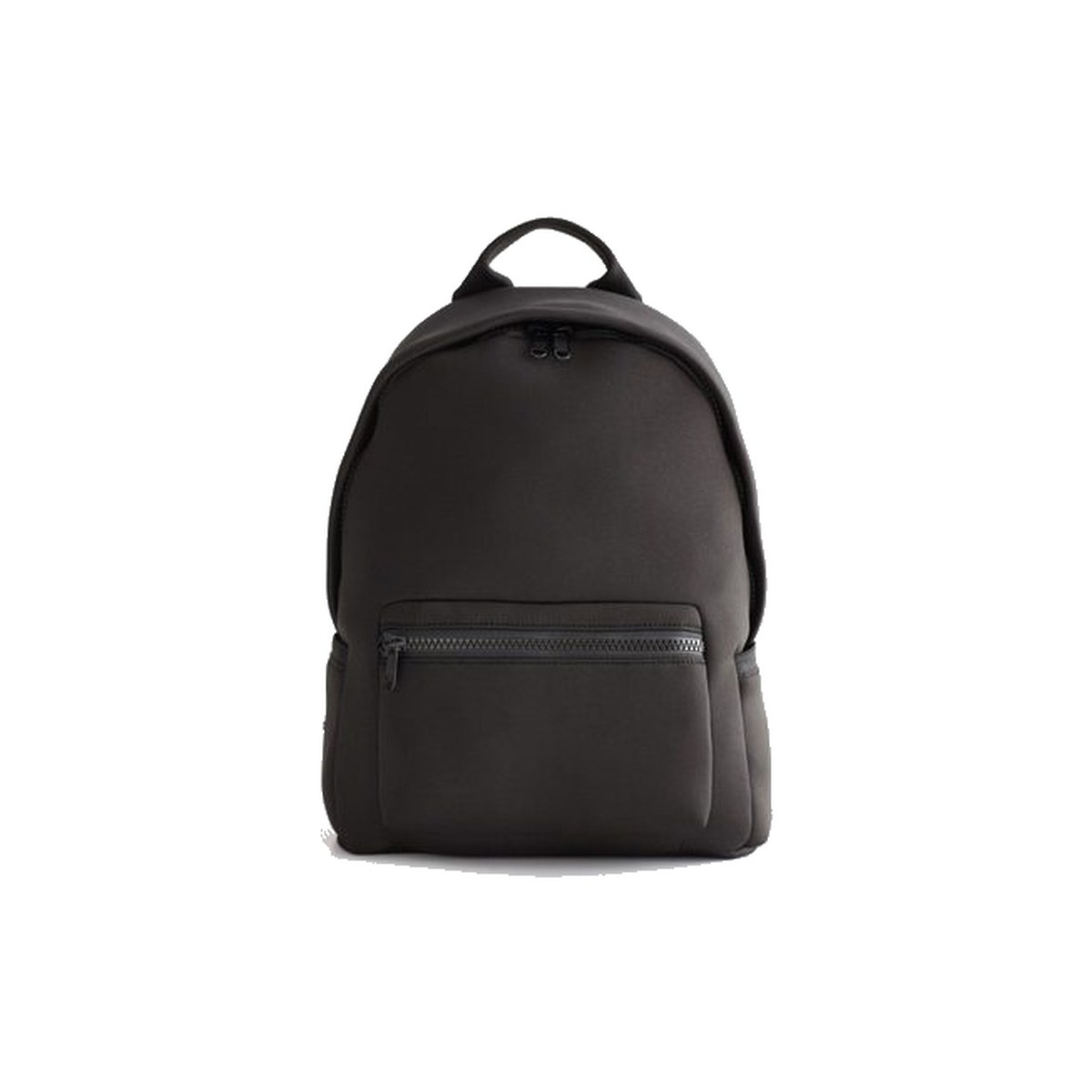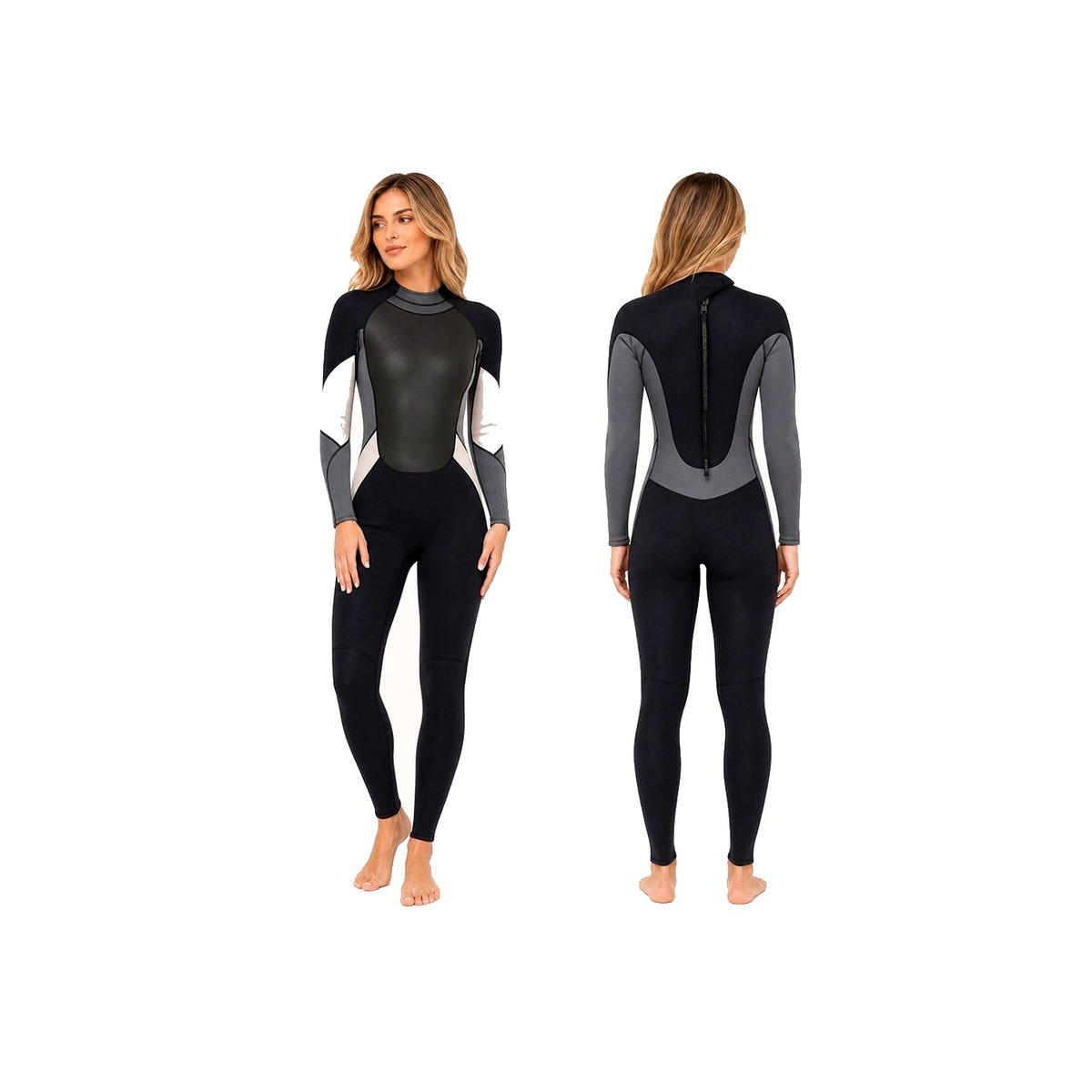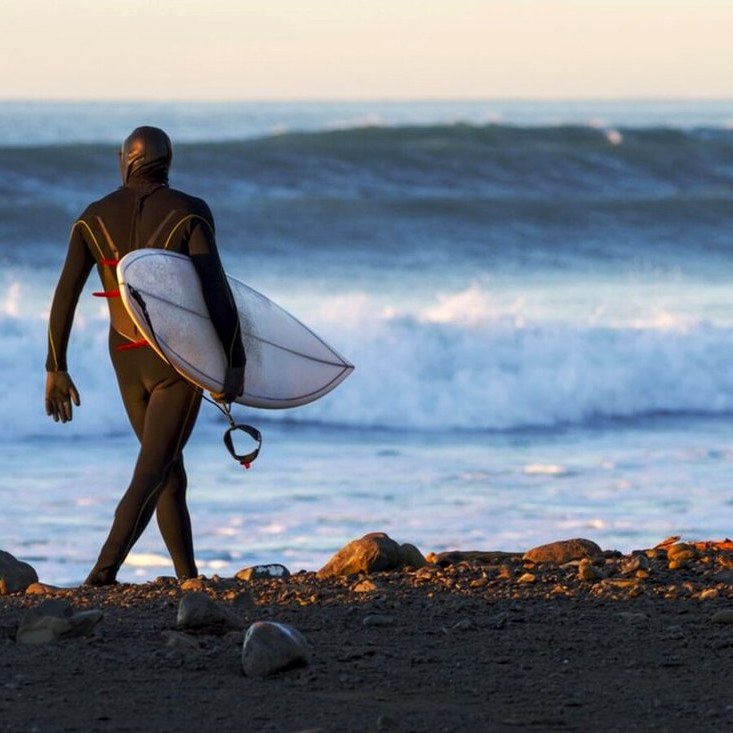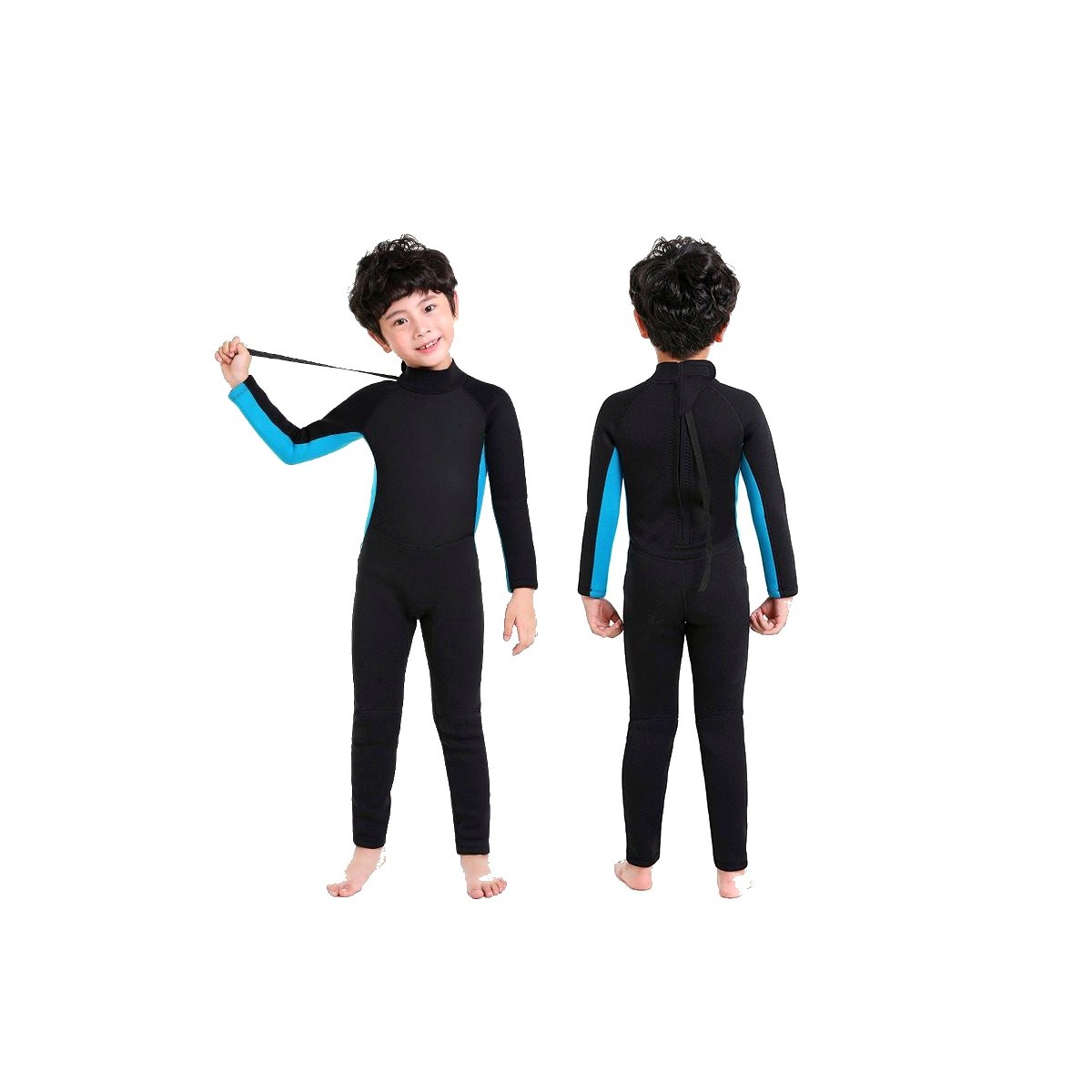
We manufacture custom neoprene impact vests in our own factory in China, where we have made neoprene products for 15 years, in laminated neoprene (SBR / SCR / CR foam + fabric), for wakeboard, kite and watersports brands, cable parks, schools, distributors and e-commerce sellers. One fact first, because it decides who should order this product: an impact vest is not a life jacket — it is a padded vest that cushions impacts with the water and the board, it carries no flotation certification, and it must never be sold or used as a buoyancy aid. Send us your size range, panel design and quantities, and we will make the vest to your pattern.
| Material Laminated neoprene (SBR / SCR / CR foam + fabric) | Thickness 3–8 mm | Minimum order 200 pieces per design, adjustable | Lead time 15–18 days after sample approval |
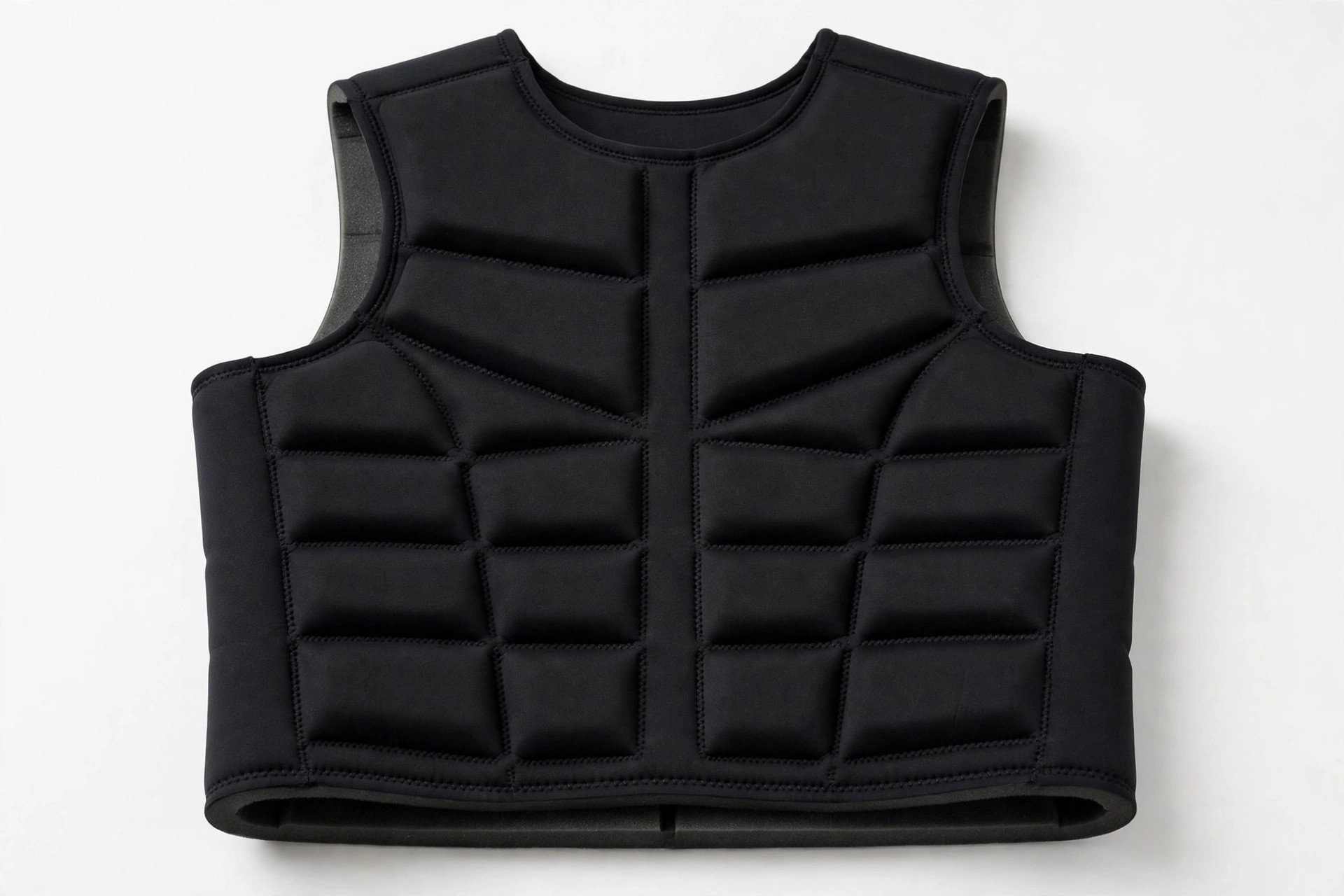
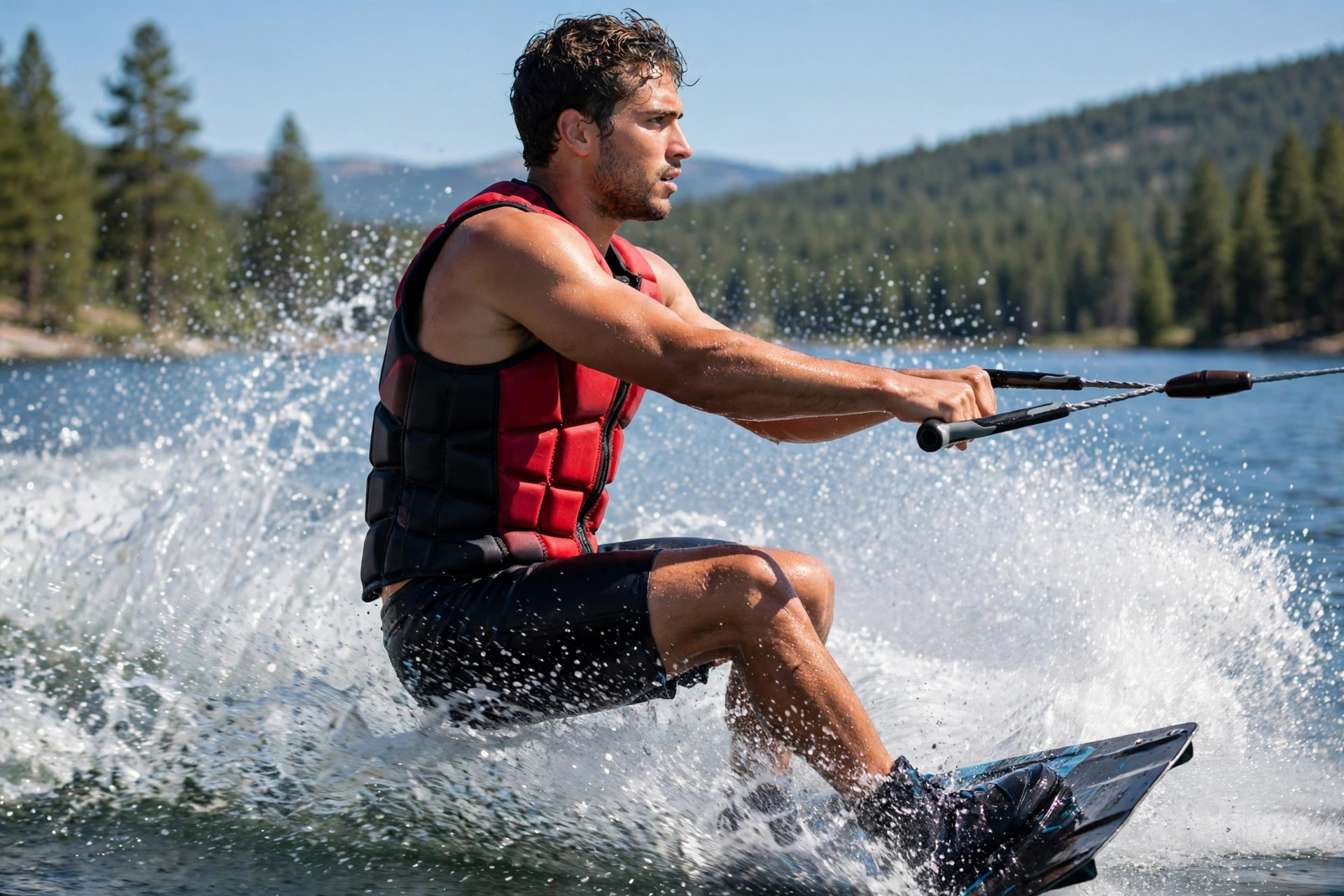
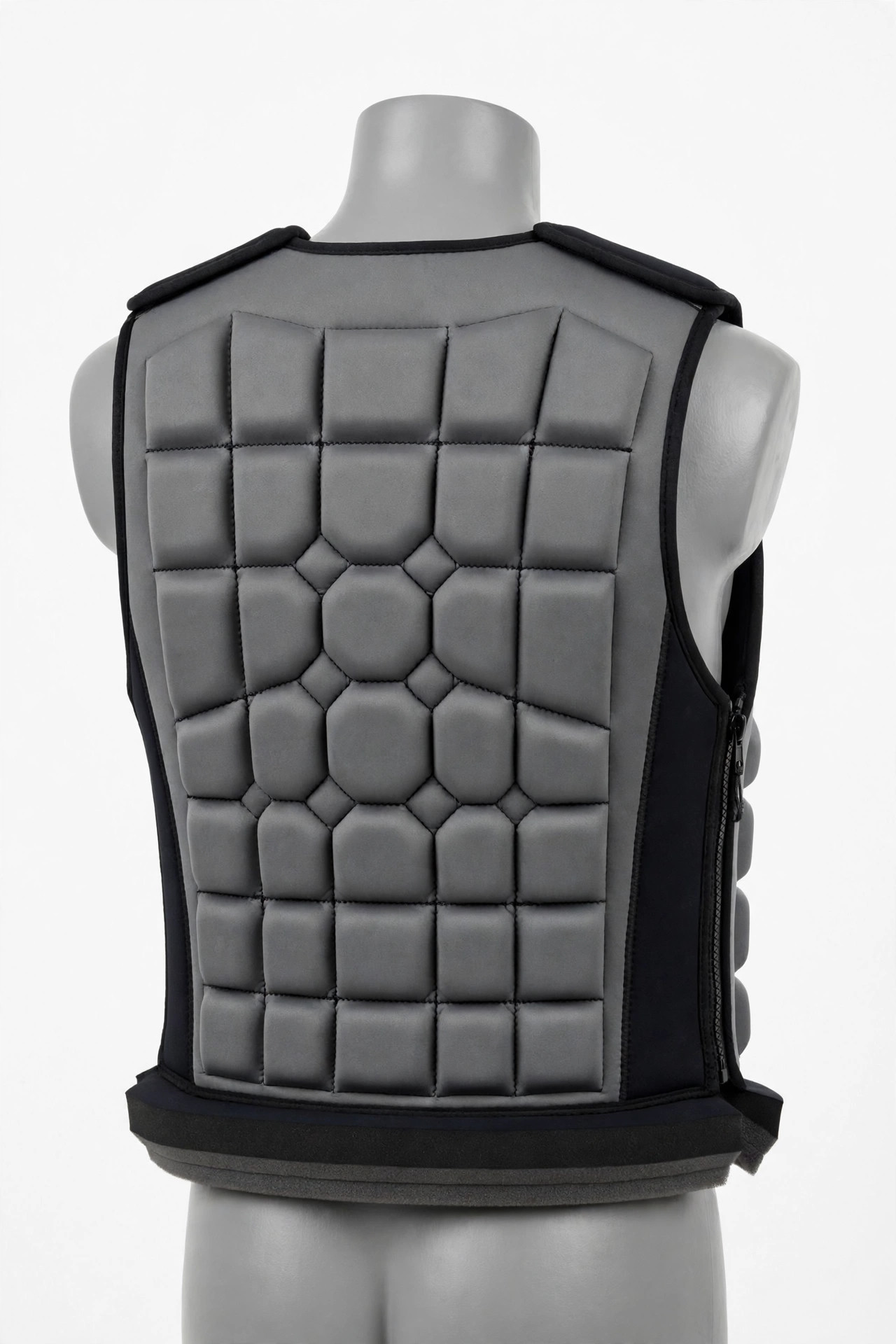
The vest is built from segmented foam panels: instead of one stiff sheet, the chest, ribs and back are divided into blocks that flex with the rider, so the padding stays in place through a trick and still cushions the landing when it goes wrong. Riders wear it because a slim padded vest moves like a wetsuit top — it does not ride up, does not catch the handle, and works under a harness for kiteboarding. The panel layout is the design: tell us where your riders take their hits, and we place the thicker segments there and the thinner, more flexible ones at the sides and waist.
The difference from a life vest matters, so we state it on the page rather than in small print. Our custom neoprene life vests are a different product, built and sold as buoyancy wear. This impact vest is built and sold as impact padding only: the foam gives some natural buoyancy, as any neoprene does, but the vest is not tested, rated or certified to float a rider, and it is not a substitute for an approved life jacket where one is required. Brands ordering this vest should label and market it the same way, and we can print the not-a-life-jacket wording inside the vest on request.
Fit is close and athletic: the vest is worn over bare skin or a rash guard, or over one of our custom full wetsuits in cold water, and most designs are pullover or side-zip so there is no front zipper to catch a tow handle. The outside is a full print surface — sublimation carries a brand's artwork across the panels, and the segmented construction keeps the print aligned panel by panel.
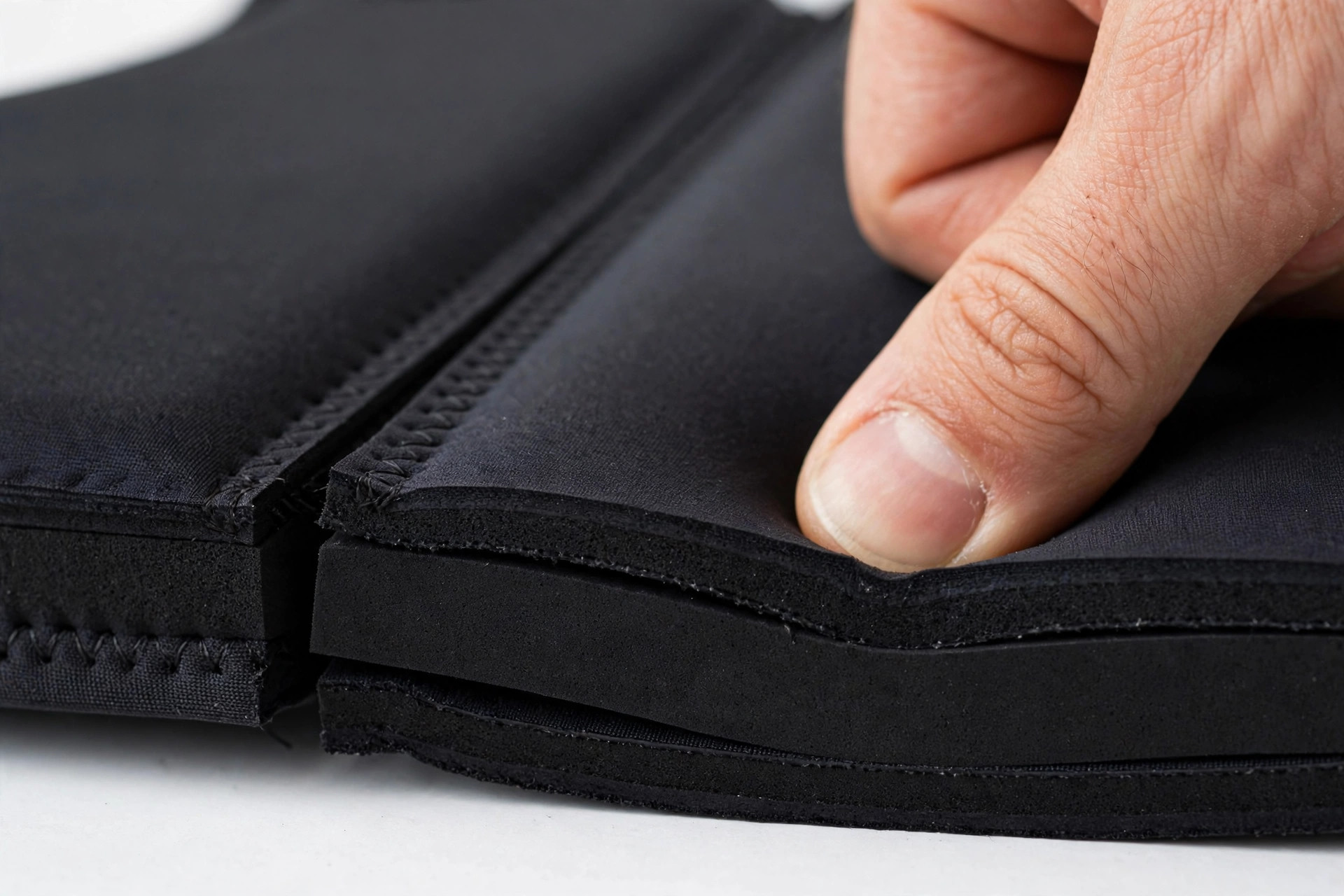
We laminate the foam with nylon jersey or a smoother glide-skin face before cutting and panel assembly. Our CR foam measures 3–5° Shore C hardness, 276.32 kg/m³ density, 860 kPa tensile strength and 550% elongation, while our SBR foam measures 10–15° Shore C, 158.34 kg/m³, 256 kPa and 185%. CR is the softest and most elastic of our foams, and its stretch gives the vest its close fit; SBR is firmer and lighter, and firms up the padding feel; SCR is a blend of the two, sitting between them in feel and cost, and a common choice for the side panels.
For an impact vest, thickness is padding: the choice is between a low-profile competition vest that barely feels worn and a maximum-padding vest for learners and heavy landings. Panels are built from our 3–8 mm sheet, and different panels on the same vest can carry different thicknesses.
3 mm — the low-profile comp vest. The slimmest fit for advanced riders who want rib coverage with the least bulk under a harness.
5 mm — the most popular choice. Our standard panel thickness, with real cushioning for cable-park and boat riding while the vest still flexes panel by panel.
8 mm — maximum padding. The thickest panels for schools, rental fleets and big-air training, usually placed on the chest and back with thinner sides to keep the vest flexible.
Tell us the sport, the rider level and where the padding matters most, and we will recommend the panel layout and thickness. For the full range, see our neoprene sheet thickness guide.
| Item | Specification |
|---|---|
| Material | Laminated neoprene (SBR / SCR / CR foam + fabric) |
| Thickness | 3–8 mm sheet; panel thickness can vary across one vest (for example 8 mm chest, 5 mm sides) |
| Certification | None — this is an impact vest, NOT a life jacket. It has no flotation rating and must not be sold or used as a buoyancy aid |
| Sizes | XS–XXL adult sizes in your grading; youth sizes on request |
| Design | Segmented foam panels front, ribs and back; pullover or side-zip entry; harness-compatible waist on request |
| Seams | Glued and blind-stitched panel seams, bound armholes and neck |
| Logo | Sublimation, screen print, woven label; not-a-life-jacket inner print on request |
| Colours | Black as standard; brand colours and Pantone matching on request |
| Application | Impact padding vest for wakeboarding, kiteboarding, wakesurfing and foiling — NOT a life jacket: no flotation certification |
CR, SCR and SBR are the three foams we work with. CR (chloroprene rubber) is the softest and most elastic of the three, and the usual choice for diving and water sports — and for the close fit of an impact vest. SBR (styrene-butadiene rubber) is firmer and lighter, and the usual choice for everyday consumer products. SCR is a blend of the two, sitting between them in feel and performance. The vest is part of a wider neoprene water range that includes our neoprene surf booties. Tell us the product and we will help you pick the foam.
| Wakeboard and kite brands — vests built to your panel pattern and printed with your artwork, in a full size run matched to the rest of your water range. | Cable parks and watersports schools — durable, easy-clean vests in park colours for daily hire use, with the not-a-life-jacket wording printed inside as standard practice. |
| Foil and wakesurf labels — low-profile vests with padding placed for board impacts, sized and coloured to your line. | Distributors and e-commerce sellers — mixed sizes and colours in one order, with a barcode label and retail-ready packaging. |
Request a Quotation
To help us review your inquiry, please send:
Website: https://www.neoprenecustom.com/ Email: kevin@neoprenecustom.com
Is this vest a life jacket?
No. This is an impact vest: it cushions impacts with the water and the board, but it has no flotation rating, no buoyancy certification, and it must never be sold or used as a life jacket or buoyancy aid. Where an approved life jacket is required, riders must wear one instead.
Which foam is best for an impact vest?
CR is the usual choice for the main panels — at 3–5° Shore C and 550% elongation it is the softest and stretchiest of our foams, so the vest fits close and flexes with the rider. SBR, at 10–15° Shore C, gives a firmer padding feel, and SCR, a blend of the two, is often used for the side panels.
Pullover or zip — which entry should we order?
Pullover is the most popular: there is no zipper to catch a tow handle or a harness hook, and the fit is the closest. A side zipper keeps the front clean while making the vest easier to get on and off, which schools and rental fleets often prefer.
Can you print our artwork across the panels?
Yes. Sublimation carries full-colour artwork across the segmented panels, and screen print gives a bold name or logo. Send us the artwork and we will lay it out panel by panel on the sample.
Can I get a sample first?
Yes — we support sampling, usually in 5–7 days. Send us your design drawing and the size range you need and we will confirm the sample details.
What is the minimum order, and how long does production take?
The minimum order is 200 pieces per design, adjustable to your actual order, and bulk production usually takes 15–18 days after sample approval, depending on the quantity and customisation.
Contact: Kevin
Phone: 13417385320
Tel: 0734-87965514
Email: kevin@neoprenecustom.com
Add: Intersection of Zhangjialing Road and Science and Technology Road, Guiyang Industrial Park, Guiyang Town, Qidong County, Hengyang City, Hunan Province./Dongguan Factory(GUANXIN): Shixin Street, Fushan Village, Liaobu Town, Dongguan, Guangdong Province.