NEOPRENE FACTORY: TIANCHI TECHNOLOGY CO., LTD.
Language:
 ∷
∷

∷
 ∷
∷
### Neoprene vs EVA: Why Is Neoprene the Best for Eco-Friendly Diving Wetsuits?
Diving into the ocean’s wonders is exhilarating, but are you diving with gear that protects the planet?
As environmental awareness grows, eco-friendly wetsuits are a priority for conscious divers. Neoprene, with its unmatched performance and sustainable innovations, stands out as the leading material for eco-friendly diving wetsuits. EVA (ethylene-vinyl acetate),
while lightweight and eco-promising, often falls short in key areas. This article explores why neoprene is the superior choice for 2025, comparing sustainability, performance, comfort, and durability through a question-driven approach.
#### What Makes a Wetsuit Eco-Friendly?
An eco-friendly wetsuit reduces environmental harm through:
- **Sustainable Materials**: Renewable or low-impact raw materials.
- **Low-Carbon Production**: Energy-efficient manufacturing processes.
- **Durability**: Long lifespan to minimize waste.
- **Recyclability**: Designs that support circular economy principles.

Neoprene’s advancements in sustainability make it a standout, but how does it compare to EVA? Let’s dive in.
#### Neoprene: The Champion of Eco-Friendly Wetsuits
Neoprene, a synthetic rubber, has dominated wetsuit production for decades due to its insulation, flexibility, and durability.
While traditional neoprene is petroleum-based, innovations like limestone-based neoprene (made from calcium carbonate) and recycled neoprene (from old wetsuits or tires) have transformed it into an eco-friendly powerhouse.
**Neoprene’s Key Advantages**:
- **Superior Insulation**: High-density foam retains heat, ideal for 5°C-20°C waters.
- **Exceptional Flexibility**: 200%-300% stretch rate for a snug, unrestricted fit.
- **Unmatched Durability**: Lasts 5-10 years, reducing replacement frequency.
- **Sustainable Innovations**: Limestone-based neoprene cuts emissions by ~20%; recycled neoprene repurposes waste.
- **Versatile Options**: 1mm-7mm thicknesses suit tropical to polar dives.
**Case Study**: Diver Sophie from Norway uses a 5mm limestone-based neoprene wetsuit. She says, “It keeps me warm in 6°C waters and moves with me. The brand’s recycling program makes it a win for the planet.”
#### EVA: A Lightweight Contender
EVA, a lightweight foam, is gaining attention for its bio-based potential (e.g., sugarcane) and lower production emissions. However, its limitations in insulation and durability make it less versatile than neoprene.
**EVA Advantages**:
- **Lightweight**: 30%-50% lighter than neoprene, ideal for travel.
- **Lower Emissions**: Bio-based EVA emits 1-1.5 tons CO2/kg, compared to neoprene’s 2-3 tons.
- **Affordable**: 20%-40% cheaper than premium neoprene wetsuits.
**EVA Limitations**:
- **Poor Insulation**: Best for 20°C+ waters; inadequate for cold dives.
- **Limited Flexibility**: 100%-150% stretch rate, less comfortable for dynamic movements.
- **Shorter Lifespan**: 3-7 years, with faster wear under heavy use.
- **Recycling Gaps**: Limited recycling infrastructure.
**Case Study**: Diver Tom from Australia uses an EVA wetsuit for tropical dives. “It’s lightweight and great for warm waters, but it feels stiff and wouldn’t work for colder dives.”
#### Why Neoprene Excels for Eco-Friendly Wetsuits
1. **Sustainable Innovations**: Limestone-based neoprene reduces petroleum use, while recycled neoprene repurposes waste into new products, supporting circularity.
2. **Versatile Performance**: Neoprene’s insulation and flexibility make it ideal for diverse diving conditions, from Arctic waters to temperate reefs.
3. **Longevity**: A 5-10-year lifespan minimizes waste, aligning with eco-friendly principles.
4. **Industry Leadership**: Neoprene holds a 70% market share, with sustainable variants growing 15% annually (2024 dive gear report).
#### Performance in the Water
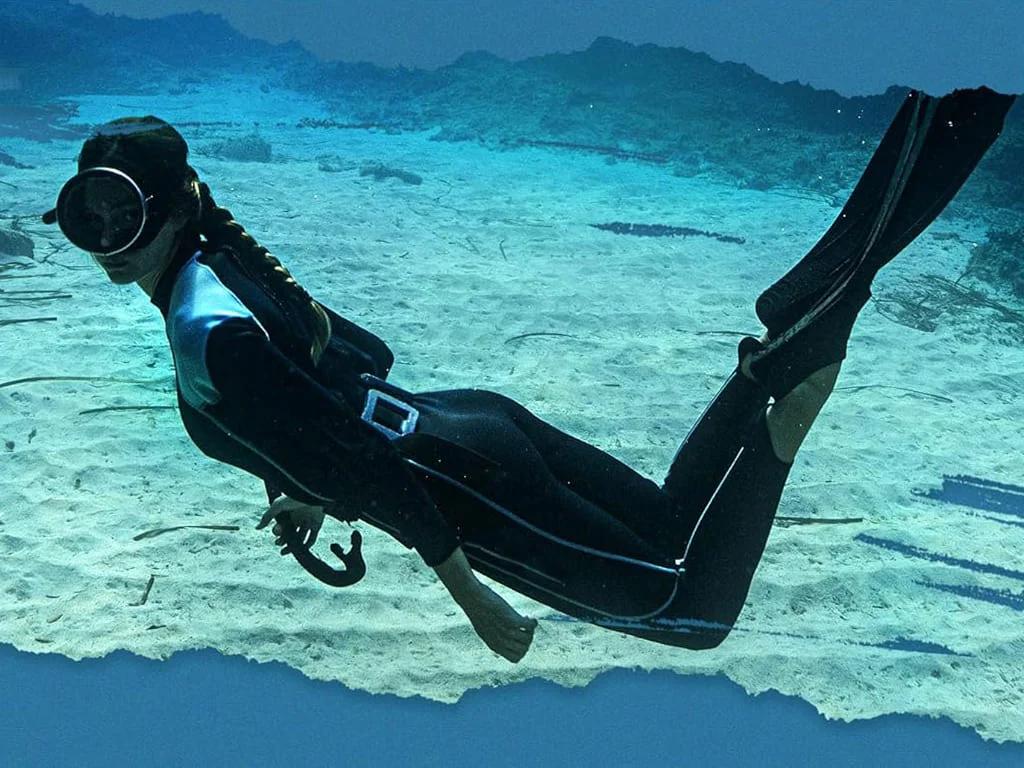
Neoprene’s dense foam structure prevents water flushing, maintaining warmth in 5°C-20°C waters. A 5mm neoprene wetsuit supports extended cold-water dives, while EVA struggles below 15°C without additional layers.
**Example**: In Iceland’s Silfra fissure, neoprene wetsuits enable 90-minute dives in 4°C waters, while EVA suits are better suited for Caribbean reefs.
#### Comfort and Practicality
Neoprene’s high stretch (200%-300%) ensures a snug, comfortable fit, ideal for long dives. EVA’s lighter weight (0.8-1.2kg for 3mm) is travel-friendly but less flexible.
**User Feedback**: Dive instructor Emma says, “Neoprene feels like a second skin, letting me move freely. EVA is great for packing but feels restrictive.”
#### Durability and Eco-Benefits
Neoprene’s 5-10-year lifespan outlasts EVA’s 3-7 years, reducing environmental waste. Proper care (rinsing, avoiding sunlight) extends its life further.
**Maintenance Tips**:
- Rinse with freshwater after dives.
- Store flat, away from UV exposure.
- Use brand recycling programs for end-of-life wetsuits.
#### Choosing Your Eco-Friendly Wetsuit
- **Choose Neoprene**: For cold-water or all-season diving, opt for 3-7mm limestone-based or recycled neoprene wetsuits.
- **Consider EVA**: For warm-water dives and budget constraints, bio-based EVA is viable.
- **Prioritize Transparency**: Select brands like Neoprene Custom with certified sustainable practices.
#### Dive Green with Neoprene
Neoprene’s blend of performance and eco-innovations makes it the top choice for 2025.
Protect the oceans you love with Neoprene Custom limestone-based and recycled neoprene wetsuits. Visit us today to find your perfect eco-friendly wetsuit!
Contact our neoprene experts for free samples & custom solutions! 48h prototyping | OEM/ODM supported | Worldwide shipping.
With 20+ years of neoprene expertise, we deliver:
Free Samples: Experience premium CR foam first hand.
End-to-End Support: From R&D to bulk production.
48-Hour Response: Expert engineers solve your custom challenges.
Get Your Free Sample Now ➔ [Neoprene Product]
Contact Us: kevin@neoprenecustom.com
Contact: Kevin
Phone: 13417385320
Tel: 0734-87965514
Email: kevin@neoprenecustom.com
Add: Intersection of Zhangjialing Road and Science and Technology Road, Guiyang Industrial Park, Guiyang Town, Qidong County, Hengyang City, Hunan Province./Dongguan Factory(GUANXIN): Shixin Street, Fushan Village, Liaobu Town, Dongguan, Guangdong Province.
 Kevin
Kevin Kevin
Kevin
 Tianchi