
Custom Neoprene Fishing Rod Cases: A Buyer's Guide
A good fishing rod is easy to damage. It can hit a car door, rub against other rods, or pick up a nick on the tip. A small scratch can turn into a crack. A neoprene rod case stops that kind of damage before it starts.
Neoprene is soft, thick, and stretchy. It wraps tight around a rod and takes the hit so the rod does not. It also keeps out dust, light rain, and salt spray. This guide explains the main styles, how to pick the right size, and what to ask for in a custom order.
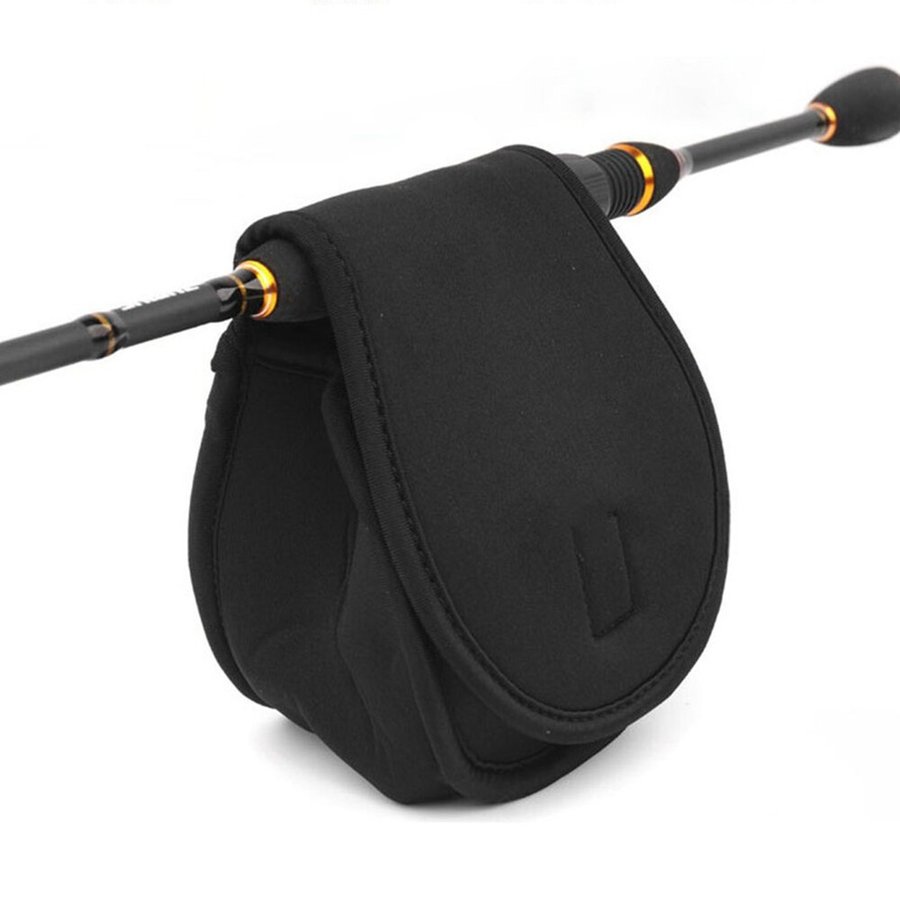
A black custom neoprene fishing rod reel cover fitted on a rod — the smooth matte face against a plain white background.
What a Neoprene Fishing Rod Case Does
A rod case has one main job: protect the rod between trips. Most damage does not happen while you fish. It happens in the car, in the garage, or in a rod locker, where rods lean, slide, and bang together. A case puts a soft layer between the rod and everything else.
Neoprene works well here. The material is the same CR neoprene foam sheet we use across our sports goods — see our ultimate guide to neoprene sheets for how the foam is made. It is soft, so it does not scratch the blank or the guides. It is thick enough to absorb small knocks. It stretches, so one case can fit rods that are close in size. A hard tube is heavy and hard to store. A thin cloth sock gives almost no padding. Neoprene sits in the middle: real padding that still folds flat when empty.
A case also keeps a rod clean. It blocks dust in storage and sheds light splashes at the dock. Our waterproof vs water-resistant guide explains the difference: the foam itself stays dry, while openings and seams can let water in. After a saltwater trip, rinse it, let it dry, and use it again.
Sleeve, Reel Cover, or Full Case?
There are three common styles. A sleeve is a long tube that slides over the rod and covers the blank and the guides. A reel cover is a short pouch that fits over the reel only. A full case covers the rod and the reel together. It is the most complete option, and also the largest.
Many anglers use a sleeve and a reel cover together. The sleeve guards the long, thin part of the rod, while the reel cover guards the part that costs the most to fix. A full case is a good pick when rods travel in a truck bed or a boat locker with other gear. You can see how neoprene covers are used across different fishing gear on the source site.
| Style | What it covers | Best for | Storage |
|---|---|---|---|
| Rod sleeve | Blank, guides, and tip | Daily use and rod lockers | Folds flat |
| Reel cover | Reel body, spool, and handle | Reels left on the rod | Small and light |
| Full case | Rod and reel together | Travel and boat lockers | Takes more space |
Think about how you store your rods. In a rack at home, a sleeve may be enough. In a car with tackle boxes, a full case makes more sense. If you break rods down for travel, measure the longest section first.
How to Pick the Right Length
Length is the first thing to get right. A case that is too short leaves the tip or butt exposed. One that is too long lets the rod slide around inside. Measure the rod before you order.
For a one-piece rod, measure from the tip to the end of the butt. Add a small margin so the closure can shut with ease. For a two-piece rod, decide if the case will hold the rod whole or broken down. A whole rod needs a longer case. A broken-down rod needs a shorter case, but you must check that both sections fit side by side.
Reels change the fit too. A spinning reel sticks out from the rod, and a baitcasting reel sits on top. A case made for a bare rod may not close over a reel. If you plan to leave the reel on, tell the maker the reel type and size.
When in doubt, pick the next size up and add a strap to stop the rod from sliding. A case that is far too long folds and bunches, so do not go too big.
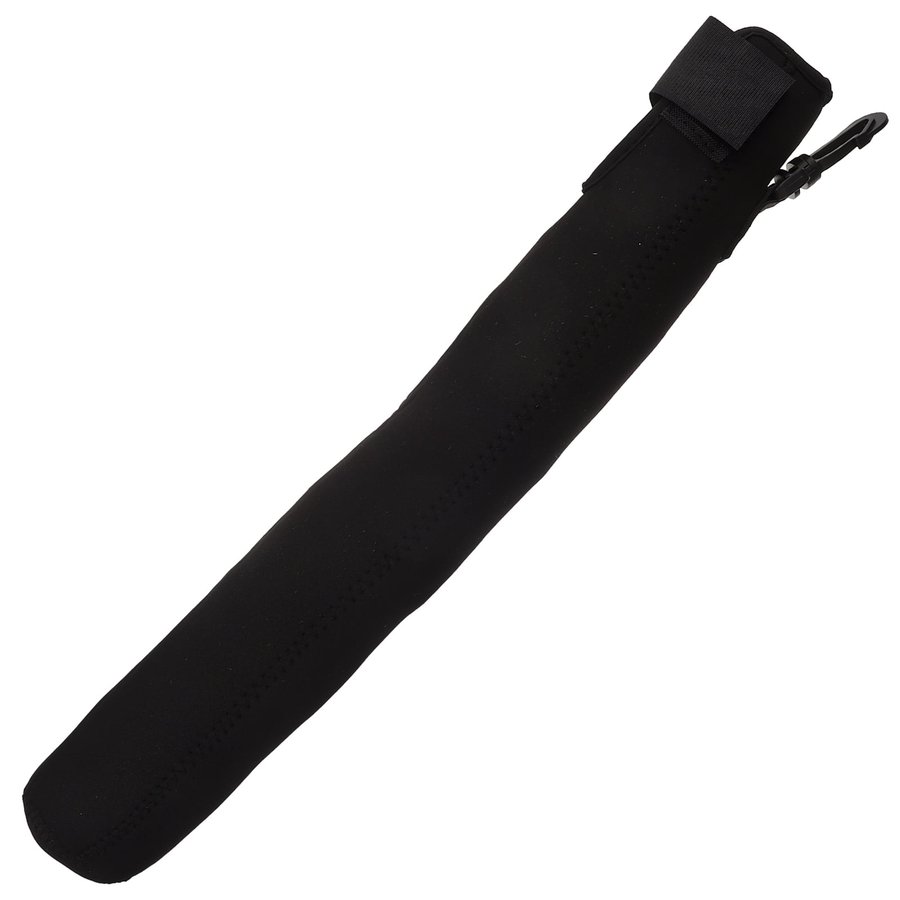
A long black custom neoprene fishing rod sleeve with a hook-and-loop strap and clip — the smooth matte face on white.
Thickness, Padding, and Stitching
Neoprene comes in different thicknesses. Thin neoprene is light and guards against scratches. Thick neoprene gives more padding against harder hits. Most rod cases use a middle thickness: thick enough to help, but still soft and easy to slide on and off. See our neoprene sheet thickness guide for how to pick the right mm for any product. For a soft, light case we use a soft SBR grade — our SBR 5–7° foam is the soft grade for sewn accessories.
Stitching matters as much as thickness. Look for neat, even seams with no gaps. The tip end takes the most wear, so it needs a strong seam or a folded edge. A bound edge lasts longer than a raw cut edge.
The inside matters too. A smooth inner face slides over guides with ease, while a rough one can catch. After salt water, rinse with fresh water and dry in the shade. Do not use a dryer or strong heat. Heat can make neoprene stiff over time.
Closures, Straps, and Carry Options
A case is only useful if it stays on. A loose case slides off in the car, and a tight one is hard to take off at the water. The closure should hold firm but open with one hand.
Common closures are simple. A hook-and-loop strap holds the sleeve in place. A drawstring pulls the opening shut around the butt. A small clip lets you hang the case from a bag or a rail. Some full cases have a zipper, but it must run smooth and stay clear of the guides.
Think about carry as well. A hand loop helps on the walk to the dock. A shoulder strap helps when you carry more than one rod. A strap that is too long tangles, so a short, flat strap is better.
Custom Options for Shops and Fishing Clubs
Custom rod cases suit tackle shops, fishing clubs, and brands. A shop can offer cases that match the rods it sells. A club can give members a case in its colors. A brand can use a case as part of a rod and reel set.
Common custom choices are size, color, thickness, and closure type. A shop may order one size for spinning rods and one for casting rods. A club may pick a color that matches its logo. Keep any mark small and flat. A large, stiff patch can rub against the rod.
To place a custom order, share the rod lengths, the reel types, and how the rods will be stored and moved. If you want a quote for your own rods or for your shop, you can send the sizes and quantities to the team at our main site. A clear list of sizes helps the maker cut the right pattern the first time.
Ask for a sample before a large order. Check the fit on your longest rod and widest reel, and check that the closure still holds after a few uses.
Your Trusted Custom Neoprene Fishing Rod Case Manufacturer
Stop buying plain cases that slide off in the car, wear through at the tip, or split at the seams after one season. We are a custom neoprene factory making rod sleeves, reel covers, and full cases for tackle shops, fishing clubs, and brands worldwide.
When you order with us, you get 2–5 mm closed-cell neoprene, Pantone-matched colours, and full-colour print. Our colour matching and printing guide explains how we match Pantone colours and print full-colour designs on neoprene.
Learn more about our OEM production capabilities on our official website: https://source.neoprenecustom.com
Ready to design a custom fishing rod case? Contact our team directly: kevin@neoprenecustom.com
Frequently Asked Questions (FAQ)
Q: Can one neoprene case fit different rod types?
A: Often yes, if the rods are close in length and thickness. But a reel changes the fit. A case made for a bare rod may not close over a large reel, so measure each rod and reel first.
Q: Will neoprene keep my rod dry in rain?
A: Neoprene sheds light rain and spray, but it is not a dry bag. Water can get in at the opening in heavy rain. Do not store a wet rod in a closed case for days. Let both dry first.
Q: How do I clean a neoprene rod case?
A: Hand wash it with mild soap and cool fresh water, then rinse well and air dry in the shade. Do not machine wash it. Do not use bleach or fabric softener, and do not dry it in sun or with heat.
Q: Is a sleeve enough, or do I need a full case?
A: It depends on how you travel. A sleeve is enough for rods that stand in a rack or ride in a rod locker. A full case is better when rods share space with hard gear in a car or a boat. Many anglers use a sleeve for daily use and a full case for long trips.
Q: What should I check before a custom order?
A: Check the longest rod section, the widest reel, and the closure type. Ask for the neoprene thickness and the seam style. Ask for a sample. Try the sample on your own rod before you order in bulk.
Q: How can we order custom colours and logos?
A: Send your rod sizes, Pantone colours, and logo file to kevin@neoprenecustom.com for a quotation. We print the full-colour design on the fabric face of the case.